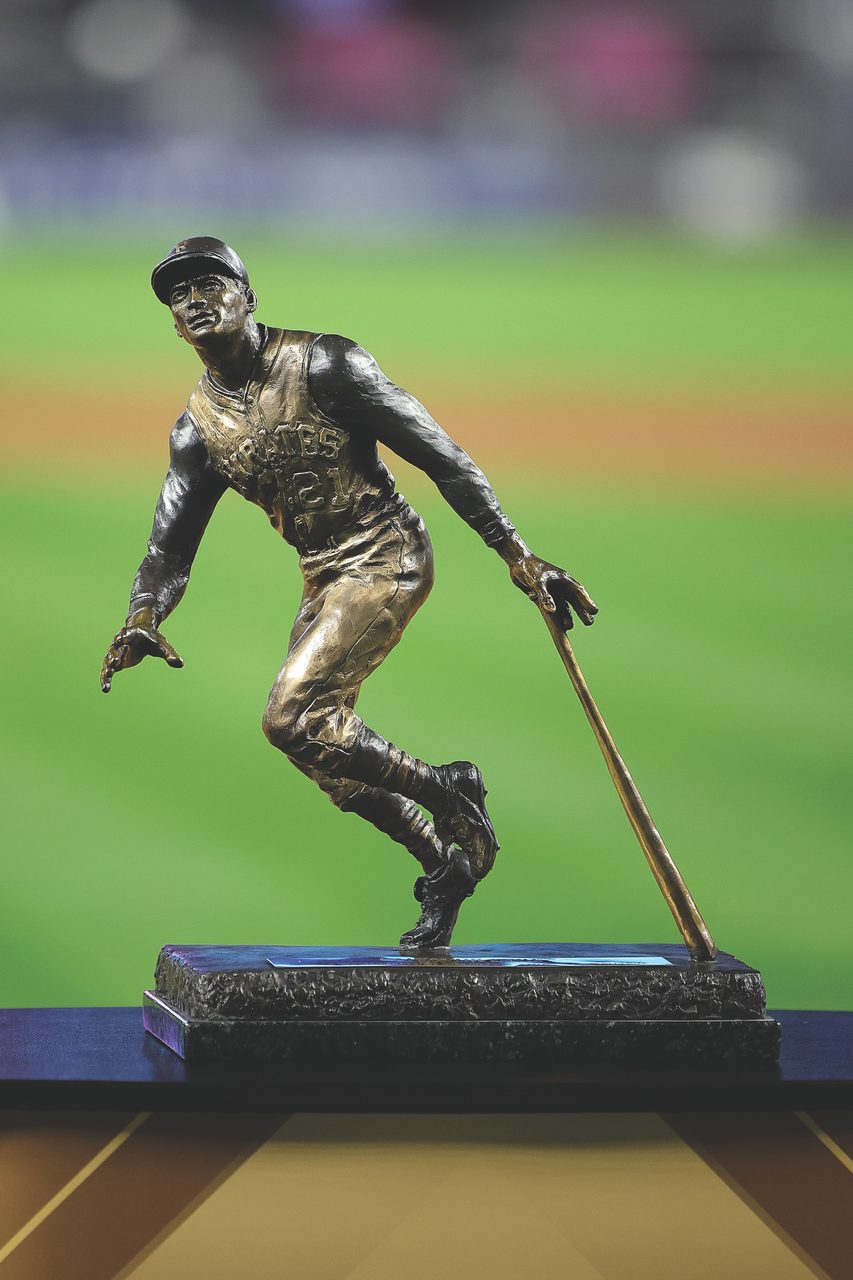
NEW YORK, NEW YORK – OCTOBER 28: A detailed view of the Roberto Clemente Award trophy is seen prior to Game Three of the 2024 World Series at Yankee Stadium on October 28, 2024 in the Bronx borough New York City. (Photo by Alex Slitz/Getty Images)
Each year, Major League Baseball (MLB) pauses to recognize the extraordinary talent and meritorious humanitarian service of its professional players. The Roberto Clemente Award honors the Pittsburgh Pirates Hall of Famer who died in a plane crash while transporting relief supplies to earthquake victims in Nicaragua. Since then, MLB has designated September 15 as Roberto Clemente Day. The 30 Major League Baseball clubs officially nominate one player from each team who best represents the classic American pastime through “extraordinary character” on and off the field, including community involvement and philanthropy.
Some of the most prominent baseball players to win the Roberto Clemente Award include Willie Mays, Cal Ripken Jr., Albert Pujols, Derek Jeter, David Ortiz, and most recently, Mookie Betts.
In addition to a $30,000 donation to charity, the recipient receives two distinct awards.
Two Tiers of Honor: Design and Composition
The MLB leads the ideation, official governance, and presentation of the current statuette Roberto Clemente Award, while corporate custom-award manufacturer FineAwards produced the engraved crystal Clemente Award from 1991 to 2015. After 2015, MLB moved to the cast-iron piece they present today.
The League-Wide Award: This award is a sculpture-style trophy, featuring a detailed, full-figure cast-iron statue of Roberto Clemente running down the first baseline. The sculpture is anchored to a thick, tiered dark-wood pedestal. A brushed metallic plaque affixed to the front face is custom engraved with the award’s criteria and an inscription celebrating the player’s extraordinary philanthropy. The MLB doesn’t publicly disclose design details of the statuette, but its estimated dimensions are approximately 10 to 12 inches in height.
Since 2022, a customized patch marking the 50th anniversary of Clemente’s death has also been added to the lineup of recognition products associated with the award. Players may wear a dedicatory “21” patch on the backs of their batting helmets and caps for the remainder of their major-league careers.
The Team-Nominee Award: The 30 club nominees are recognized locally with a modern, minimalist trophy. The version which FineAwards produced featured 3D subsurface engraving so that the image sits inside the crystal rather than on its surface, over a black marble base with standard sand etching for the winner and year. The etching featured a highly detailed likeness of Roberto Clemente in motion inside the glass, accented with high-quality MLB branding. The crystal measured 2.5 inches by 2.5 inches by 3.5 inches on a 1.75-inch base, and weighed 2 pounds.
In addition to the highly detailed laser-etched award, the overall winner now receives a second award: a statuette of the iconic player.
The Legacy Lives On
According to MLB, the “30 Club nominees for the 2026 Roberto Clemente Award include some of the game’s most philanthropic players, including 14 first-time honorees.” The nominees are active in awareness, advocacy, and fundraising across cancer, illness, and special needs; natural disaster relief; and outreach and education for underserved children and communities worldwide.
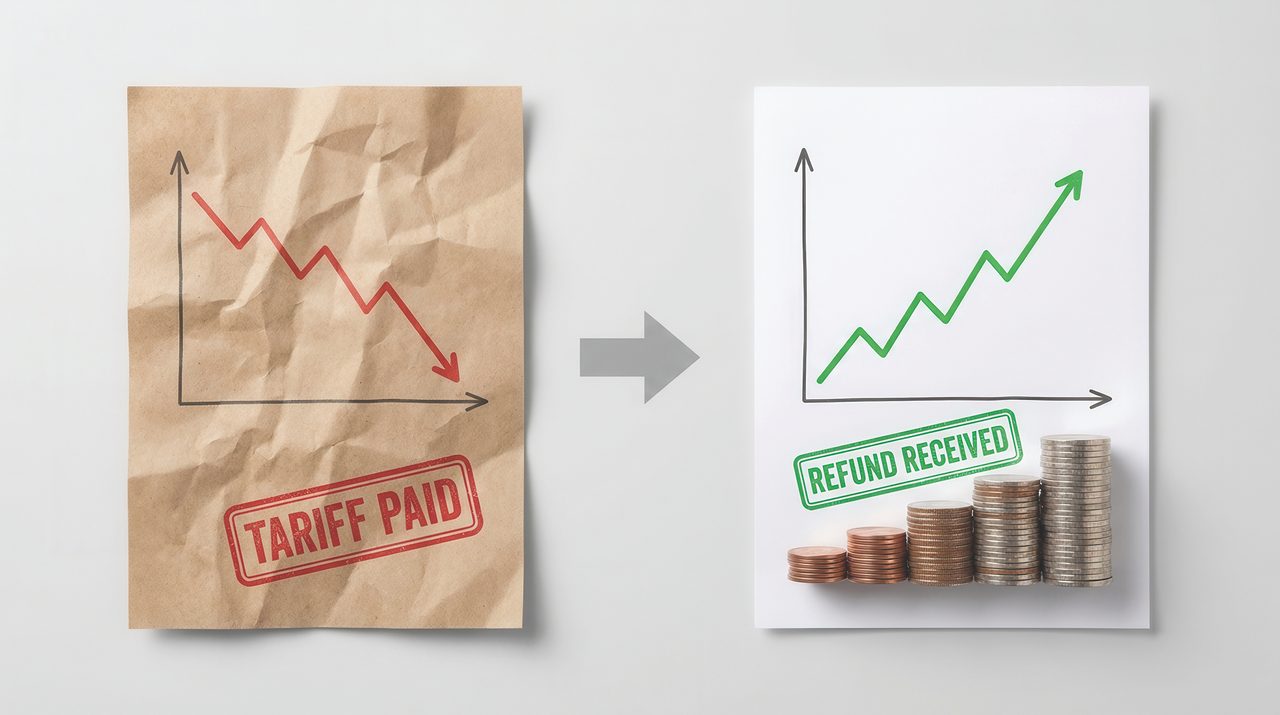
JDS Industries has announced that it is giving more than $3 million back to eligible customers whose purchases were impacted by tariffs. Rather than retain the tariff-related value, Sioux Falls, South Dakota–based JDS made the decision to return it to the customers whose purchases were impacted.
“We’re thankful that our customers choose JDS as their supplier partner,” JDS Industries president Mike May says. “Our business has been built on long-term relationships with our customers, and when there’s an opportunity to give something back, we believe it’s the right thing to do.”
Eligible customers will receive their individual shares through JDS account credits that can be applied toward future purchases. The more than $3 million customer giveback comes at a time when businesses across the awards and personalization industries JDS serves continue to navigate changing tariff conditions, pricing pressures, and supply chain costs. For JDS, the decision reflects its long-standing focus on supporting customers and the businesses they are building.
“Our customers’ success and our success are directly connected,” May says. “We value the trust they place in JDS and want to continue earning that trust through the decisions we make and the way we support them.”
The announcement comes as JDS continues its journey as a 100% employee-owned company. Founded in 1973, JDS has grown from an awards-industry supplier into a nationwide organization with 13 warehouses serving customers across awards and recognition, personalization, gifts, decorated apparel, and sign supply.
JDS provides a broad range of products, technical support, education, and resources designed to help customers grow their businesses. For more information, visit jdsindustries.com.
Jennifer Groff has recently joined Catania Medallic Specialty, Inc. as the new office and customer service manager. Groff brings more than 20 years of experience in office administration, customer service leadership, and business operations. Catania noted Groff has demonstrated a strong commitment to providing exceptional customer support, streamlining office processes, and fostering positive relationships with customers and colleagues alike.
“We are excited to have her on board and look forward to the knowledge, expertise, and positive energy she will bring to our organization,” Catania Medallic Specialty, Inc. president Vince Frank said.
In her new role, Groff will oversee office operations and customer service functions, helping to ensure that Catania Medallic Specialty, Inc. continues delivering the high level of service and support that customers have come to expect.
It’s this time of year that our staff and board of directors are busy working on the annual APA International Personalization Expo.
They are signing up new suppliers for the expansive trade show, building an education schedule to keep retailers at the top of their game, and creating opportunities to network with your peers. Our teams give countless hours to making sure the Expo is a valuable experience and worth the time and money to attend.
So here is my challenge to all members: attend the 2027 Expo with me!
If you’ve attended before, you know the value. I’d ask you to bring a team member or a colleague who hasn’t experienced it yet.
If you’ve never been, this invitation is especially for you. You’re missing out on:
The latest products and technology. Laser engraving, sublimation, UV printing, heat transfer, sandcarving, and more, all in one place so that you can see and compare them in person.
Education that applies to your business. Sessions on the latest business, technical, and marketing best practices and trends, led by people who do this work every day.
Connections that last. The expo is where you build relationships with peers and suppliers who understand your business and want to see it grow.
A Las Vegas getaway in February. Many of you can leave the cold temps behind for a few days.
As an APA member, you and your employees receive free registration to the trade show floor and all general education sessions. It’s one of the most valuable benefits of your membership.
Take the challenge; let’s make this a record year!
Before I sign off, I want to thank Louise Ristau, CAE, for her years of service as APA’s executive director. As announced this fall, Louise has stepped down, and Dave Pomeroy has been appointed as the association’s new executive director.
Louise’s impact on APA reaches far beyond what most members ever saw. When COVID pushed our industry into uncharted waters, Louise guided us through it. Many don’t know that, because of her foresight, we were one of only a few industries with insurance coverage for our Expo, and that coverage ultimately saved the association.
She was always professional and thoughtful, you knew things would be handled in a first-class way, on time, every time. As President, I can tell you firsthand that Louise made the jobs of president and the board of directors much easier because she was always one step ahead. She is a friend, a colleague, and someone we all look up to with the utmost respect.
Please join me and the entire board in thanking Louise for her longtime leadership of APA.
I hope to see you February 23-26, 2027, in Las Vegas! Come ready to learn, connect, and celebrate personalization together.
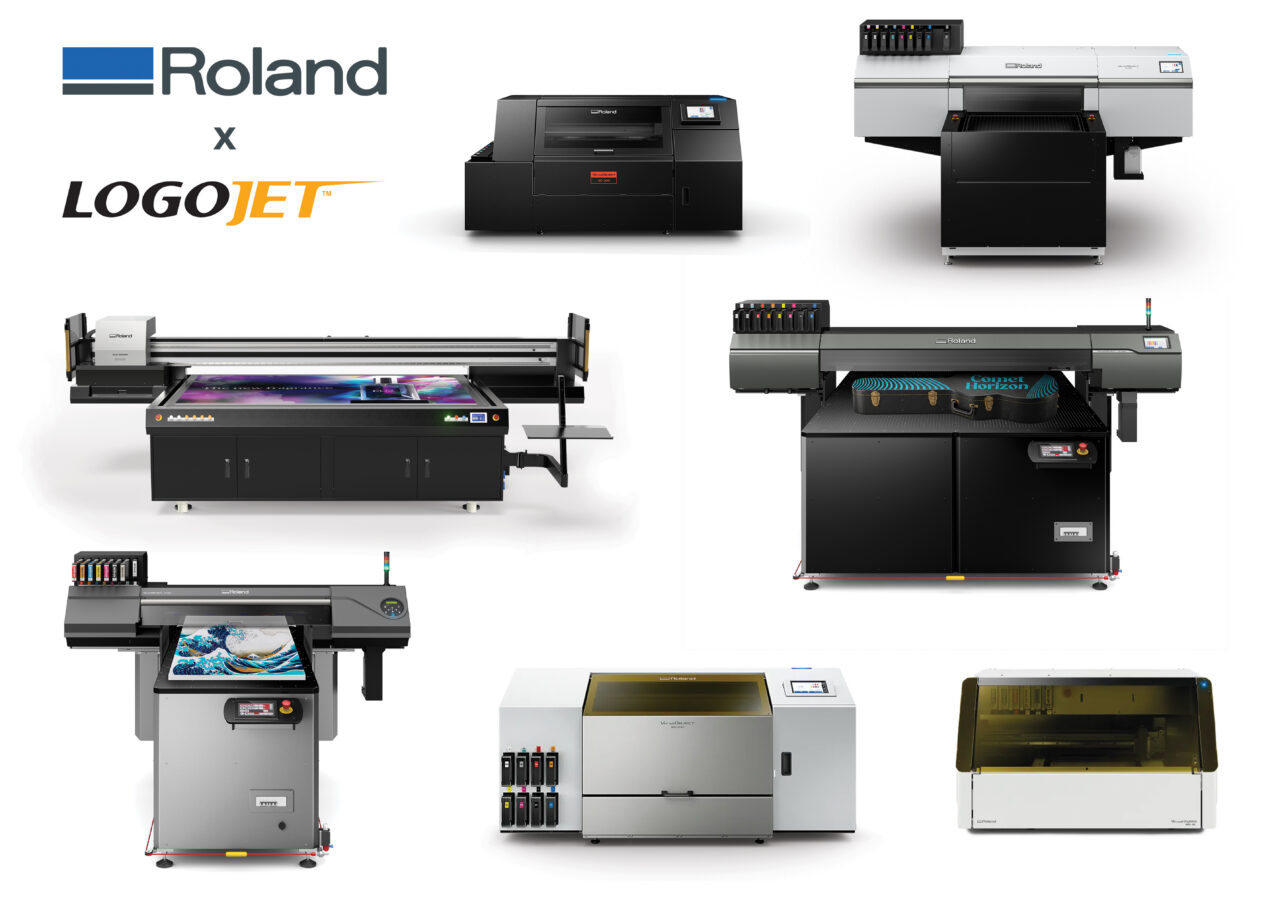
Through a new partnership with Roland DGA, LogoJET adds VersaStudio, VersaObject, and EU2-1000MF UV flatbed printers to its portfolio — pairing them with the five-star support, product-decoration knowledge, direct-to-object expertise, and complete solutions the company is known for.
LAFAYETTE, La. — September 21, 2026 — LogoJET, a leading manufacturer of direct-to-object UV printing solutions, today announced a strategic partnership with Roland DGA to bring Roland DG VersaStudio and VersaObject UV flatbed printers and RC-300 Series cylindrical printers to its customers. Adding these products to its current offerings enables LogoJET to provide a wider range of machine sizes and features, while also ensuring that the company is fully equipped to sell, install, and support these products from day one.
The partnership broadens LogoJET’s line in both directions: from smaller, desktop-friendly models built for entry-level and price-sensitive applications, to larger-format solutions that reach beyond the company’s current award-winning R-Series UVx40R PLUS-SE and UVx90R-SE direct-to-substrate printers. Through this partnership, LogoJET can now meet a wider range of customer needs without sending anyone elsewhere.
For LogoJET, the fit goes beyond the products. As more companies bring customization in-house, they need a partner who provides the training, support, custom trays, and software expertise required for long-term success. Helping customers build efficient, repeatable production workflows has always been at the heart of LogoJET’s approach. Paired with Roland DG’s trusted products, it gives customers a more complete experience than ever.
Just as important, the two companies share closely aligned values and a “customers for life” approach. Roland DGA’s philosophy of being “the best rather than the biggest,” as well as its purpose of empowering creativity, mirror LogoJET’s own values of putting customers first, finding solutions, and helping businesses turn their imagination into finished products. Both companies believe growth comes from serving customers exceptionally well rather than simply chasing size, and both have earned deep, lasting loyalty the same way, through service that stays with the customer long after the sale. This shared foundation allows LogoJET to continue developing manufacturing and industrial solutions while incorporating select Roland DG products into its portfolio, giving customers a single, trusted partner as their production needs evolve and scale.
“Partnering with Roland DGA was a deliberate, strategic choice,” said Susan Cox, Founder and CEO of LogoJET. “We explored building new solutions ourselves and working with other manufacturing partners, and Roland DGA was the right choice and the faster path to market. Beyond great products, we saw a company whose values mirror our own. This relationship lets us say yes to more of what our customers ask for. By adding Roland DG printers to our own lineup, LogoJET can now serve a broader segment of the UV direct-to-object market, offering our customers a solution to fit any price point, bed size, or production need, from entry-level desktop models to larger-format production systems, while backing every device with the training, support, custom trays, and expertise LogoJET is known for. Together, we are giving businesses more ways to grow, expand into customization, and turn new opportunities into reality.”
“Roland DGA is committed to growth within industrial printing markets as direct-to-object manufacturing continues to expand at a rapid pace,” said Roland DGA’s Vice President of Business Development, Dan Johansen. “LogoJET has been a pioneer in providing solutions to the market, and this strategic partnership creates tremendous opportunity for us to rapidly expand our mutual businesses to meet and exceed the growing needs of our customers.”
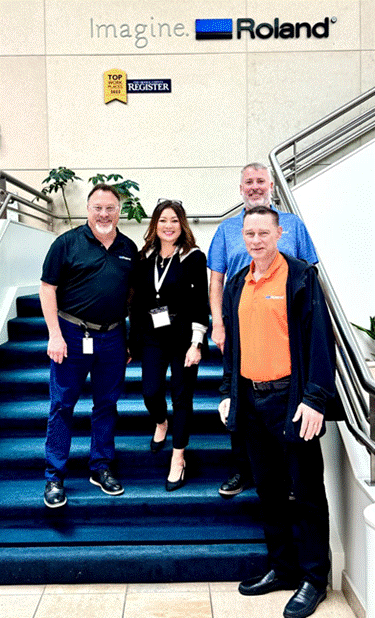
Pictured at Roland DGA headquarters (from left): Dan Johansen, Vice President of Business Development, Roland DGA; Susan Cox, Founder & CEO, LogoJET; Sid Lambert, Director of Sales, Roland DGA (rear); and Dan Burmeister, CEO/President, Roland DGA (front right). Photo courtesy of LogoJET.
LogoJET will debut its Roland DG product lineup at the PRINTING United Expo in Las Vegas, September 23–25, 2026, where it will showcase the VersaStudio BD-12 desktop UV flatbed printer and the new VersaObject RC-300 cylindrical UV printer paired with LogoJET’s own printer line, including the R Series UVx40R PLUS-SE and latest Inspira Series UVx90i, in booth #C2691. To learn more, visit logojet.com or contact a LogoJET representative.
About LogoJET
Founded in 2005 and headquartered in Lafayette, Louisiana, LogoJET is a U.S.-based leader in direct-to-object UV printing solutions. An early pioneer in industrial UV printing, LogoJET designs and manufactures its own award-winning printing systems and, through its strategic partnership with Roland DGA, offers select Roland DG technologies to provide customers with solutions ranging from entry-level desktop customization to large-format production.
More than an equipment provider, LogoJET delivers complete production solutions backed by decades of direct-to-object expertise, including application testing, custom trays and fixtures, workflow software, installation, operator training, and responsive five-star technical support. This combination of technology, expertise, and support helps businesses bring customization in-house, expand their capabilities, operate efficiently, and scale with confidence.
Learn more at LogoJET.com.
About Roland DG Americas
Roland DGA serves North and South America as the marketing, sales, distribution, and service arm of Roland DG Corporation. Founded in 1981, Roland DG of Hamamatsu, Japan empowers creators and businesses worldwide to “Make Your Mark” using innovative digital imaging solutions that turn ideas into positive impact. Combining hardware, software, services and supplies, Roland DG is a global leader in wide-format format inkjet printers for sign, textile, industrial, interior design, personalization, and vehicle graphics markets; engravers for awards, giftware and signage; photo impact printers for direct part marking; and milling machines for dental CAD/CAM, parts manufacturing and medical industries. Uniquely designed for high-mix, on-demand production, Roland DG solutions enable print professionals, manufacturers, and entrepreneurs in a variety of industries to elevate their level of craftsmanship, productivity, and profitability.
(Schaumburg, IL, September 14, 2026)The Awards and Recognition Industry Educational Foundation (ARIEF) has announced that the Recognition Roundtable Scholarship will now be known as the Recognition Roundtable Stephen L. Capper Memorial Scholarship, honoring the lasting contributions of one of the awards and personalization industry’s most respected leaders.
“Steve Capper’s impact on this industry is immeasurable,” said Pam Holley, president of Recognition Roundtable. “He believed in lifting others up, sharing what he learned, and investing in people’s success. Naming this scholarship in his honor is a fitting tribute to someone who dedicated so much of his life to helping others achieve their goals.”
Capper, founder of A-1 Awards and Recognition Roundtable, spent more than six decades advancing the recognition profession while mentoring countless industry leaders, business owners, and professionals along the way. Through his entrepreneurial spirit, commitment to collaboration, and passion for helping others succeed, he helped shape the culture and values that continue to define the recognition industry today.
In 1999, Capper founded Recognition Roundtable to create a space where award retailers could share ideas, learn from one another, and strengthen their businesses. A longtime volunteer and advocate for the Awards and Personalization Association (APA), he was honored throughout his career with numerous distinctions, including Volunteer of the Year, Speaker of the Year, induction into the APA Hall of Fame, and the APA Founders Award alongside his wife, Nora Capper.
The Recognition Roundtable Stephen L. Capper Memorial Scholarship will continue supporting educational and professional development opportunities within the awards and personalization industry. By carrying Capper’s name, the scholarship reflects the values he championed throughout his life: lifelong learning, mentorship, service, and a commitment to helping others grow.
“Steve never focused on recognition for himself,” Holley added. “What mattered most to him was seeing others thrive. Through this scholarship, future generations will continue benefiting from the spirit of encouragement, generosity, and leadership that defined his life.”
The scholarship serves as a lasting tribute to a leader whose influence extended far beyond his own business and organization. Through the opportunities it provides, the Recognition Roundtable Stephen L. Capper Memorial Scholarship will help ensure that Capper’s passion for learning, community, and professional growth continues to inspire the next generation of industry professionals.
About the Awards and Recognition Industry Educational Foundation (ARIEF)
The Awards and Recognition Industry Educational Foundation (ARIEF) supports educational opportunities and professional development initiatives that strengthen the awards and personalization industry through scholarships, grants, and workforce development programs.
About Recognition Roundtable
Recognition Roundtable is a community of awards and personalization professionals dedicated to collaboration, education, and business excellence. Founded by Stephen L. Capper in 1999, the organization provides opportunities for members to share knowledge, build relationships, and advance the recognition profession.
Media Contact: Louise Ristau, CAE, Executive Director Awards and Personalization Association [email protected]
While serving the latter part of his 24 years in the United States Navy, CPO Sean Arnold tinkered with woodworking in his Brunswick, Maine, basement. For all intents and purposes, this was a hobby, never intended to be anything more.
Then the officers and sailors began calling.
“The guys realized that I had some woodworking experience, and not only that, I had tools,” he says. “One of the guys would ask, ‘Hey, chief, can you make a shadow box for so-and-so’s retirement?’”
The one-offs for service members kept coming and continued for the last couple of years of his career.
“If you’d have told me 20 years ago that I was going to be doing this for a living, I would’ve told you were out of your mind,” Arnold laughs.
Chief Arnold retired from the navy in 2006 as a Navy chief petty officer and launched Basement Woodworks from his home, specializing in custom military shadow boxes and flag cases he could sell online. At the time, he and his wife were also raising three boys, and the opportunity to run a business and be a stay-at-home dad was not lost on him.
Continuing the business as a family affair. Arnold’s father also retired, sold his home in Maryland, and moved to Maine to help.
They eventually expanded from the basement into a 40-by-60-foot building, and not long after that, the local trophy shop, which made brass plates for Arnold’s boxes, was looking for a new owner.
“I raised my hand, and the bank was dumb enough to give me the money, so I bought it,” he says. “I was in debt up to my ears, but I was loving it.”
Acquiring Accolades Awards & Trophy allowed Arnold to combine his tools with a couple of engravers and some sublimation equipment. The basement was more in the rearview mirror as he moved the entire operation to Fort Andross, a historic mill in downtown Brunswick incubating small businesses.
In the 10 years at the mill, Arnold continued to grow his equipment, adding another Epilog C0₂ laser engraver, another diamond drag engraver, a small-scale Shopbot CNC machine for the wood carvings, and a 5-foot-by 12-foot ShopbotCNC machine, which was in storage because, once again, Arnold had outgrown his space. Today Basement Woodworks operates out of a 3,400-square-foot shop on its own property.
“I’ve got a full woodshop in the back. We’ve got an engraving room, we expanded into embroidery, and we started doing direct-to-film processing,” he says. “We kind of live by the motto, ‘If it can be personalized, we can do it.’”
One such order would require much of Arnold’s equipment and attention: the personal effects of Lieutenant Michael Murphy, a Navy SEAL who was killed in action while serving in Afghanistan.
“The boys came in with his personal effects, and I had to make a cabinet that was actually going to be bolted into the destroyer [the USS Michael Murphy (DDG-112)] on their Wall of Heroes,” says Arnold. The display was a gift from the state of New York honoring Murphy in his namesake destroyer built by Bath Iron Works, a Maine shipyard founded in 1884 and known for building many military vessels.
Honoring fallen soldiers has become part of the job, and one Arnold takes great pride in.
“I’ve had some very memorable boxes that I’ve had to do here,” he says. “Some of them would make your hair stand on the back of your neck when you get them done.”
While Arnold’s specialty resides with military memorials, his investment in APA and its network has proved valuable to his business. Like many, Arnold has made important connections at the Expo—like his reps from Marco Awards Group. He can also be found on the M2M forum, and dog-ears the educational CorelDRAW stories from Insights magazine.
“Erich Stock comes up here all the time. He comes to the shop, and he’s just gobsmacked when he comes in here. He loves the shop,” says Arnold. “That’s probably one of the most meaningful connections I’ve made through the APA.”
Today Arnold gets to settle in and work with two of his sons. Nicholas helps with woodworking, while Alex, a college junior studying graphic design, handles design, T-shirts, and engraving. Arnold has far exceeded his expectations for his business and continues to see growth, and yet you can take the man out of the military, but you can’t take the military out of the man.
Out front of Arnold’s shop is a sign that reads, “Genuine Chiefs welcome! CPO Selectees must sing Anchors Away then request permission to enter!”
In August, the selectees come from their ship at Bath Ship Yard as part of their initiation, and they visit Arnold and serenade him.
“It is really quite a thing,” says Arnold of the impromptu ceremony. “Any veteran that is transitioning [to civilian life], quickly finds out that it is probably the hardest thing they’ll ever do. I maintain that military connection, and I’ve never had to lose it. Which has been wonderful.”
While UV printing officially debuted in the early 1970s as a viable industrial method for printing barcodes and packaging labels, the technology didn’t reach elevated commercial wide-format and promotional-printing capabilities until decades later.
“Early UV systems were often cost prohibitive and geared toward high-volume production environments, whereas today’s equipment offers improved reliability, expanded material compatibility, and a lower barrier to entry,” says Jackie Faeth, marketing coordinator at The Rowmark Group.
As companies reimagine and redefine the act of corporate gift giving, the graphics and promotional products industry is called to raise the bar in choice, quality, and convenience.
Variety Is the Spice of Life
Modern UV printing, also referred to as direct-to-object (DTO) printing, utilizes UV light to cure ink on various substrates. The result is a durable, vibrant full-color finish that is dry to the touch, making it a popular choice for a wide variety of substrates in signage, packaging, labeling, and industrial printing.
According to Faeth, versatility is one of the technology’s greatest strengths. From acrylic, metal, and wood to glass, faux leather, and plastics, UV printing allows shop owners to instantly customize, print, and cure on most hard and flexible surfaces. Furthermore, the technology excels at special effects like spot gloss, tactile raised textures, and layered artwork, which are difficult to achieve with many traditional decoration methods.
In addition to producing branded office decor, ADA-compliant products, and full-color industrial signage, UV printing helps diversify a shop’s corporate catalog. The technology’s versatility can be used to customize a variety of personalized products, from employee-recognition and client relationship-building and retention efforts to service or event promotion.
The cured ink forms a scratch-proof and fade-resistant barrier that helps meet the need for long-lasting products. Retailers can create everything from high-end apparel and company-branded electronics to premium glassware and tumblers as well as executive nameplates, desktop accessories, and awards and plaques that will endure longer than some other ink-based printing methods.
Top-quality leather patches are another example. Emblems are often associated with laser engraving but can also be produced with UV printing. Rather than a laser engraver removing material to create depth, a UV printer can build up layers of clear varnish to create raised lettering or simulated textures like wood grain and leather stitching.
Looking ahead, Faeth says decorative acrylic products, layered signage, textured awards, and specialty gift items featuring tactile effects are expected to gain in popularity.
Outstanding versatility in materials, surfaces, and effects presents corporate clients with a bevy of premium gift-giving options that can be produced quickly and efficiently, proving profitable for business owners yet still cost-effective for clients. As a result, corporate customers can create highly detailed and tactile branded merchandise without compromising their brand identities or tight marketing deadlines.
Combining Forces to Maximize Capabilities
While UV printing is a powerful stand-alone technology, it can also be used in mixed-media techniques to create standout products for corporate clients.
Faeth points to methods like combining engraving with UV color fills or laser-cut acrylic with UV for premium products.
Lon Riley, founder and CEO at DPI Laboratory, also notes that the digital nature of UV printing means less tooling and setup than traditional decoration methods.
As such, shop owners can expand into new markets and kick-start multiple revenue streams while streamlining operations. That opportunity also reduces inventory overhead and minimizes outsourcing, while enhancing the customer experience from the very first touchpoint and producing an abundance of high-margin custom goods at lightning speed.
Meanwhile, customers reap the benefits of choice, impeccable detail, and exceptional print quality at a competitive price point.
“Corporate clients are all about show me what you can do,” says Riley. “With the right UV setup, business owners gain a competitive advantage in demo, sample, and final production. The technology offers nice color control, which is important for corporate clients with logos and brand identities to consider.”
Plus, if retailers can produce small quantities economically, their corporate clients may be more open to more highly customized products previously considered unaffordable, Faeth suggests.
As the equipment becomes more accessible, Faeth and Riley agree shops of all sizes have been able to implement UV-printing capabilities. Today, systems ranging from desktop models to production-focused printers are making UV printing more attainable than ever. They encourage decorators to start with a focused product offering, develop a strong sample portfolio, and expand as demand grows.
Solve a Problem, Tell a Story
Breathing life and meaning into a brand is where the magic happens. While selling a physical product is transactional, solving a customer’s problem is transformational. Riley notes common issues like low employee morale, poor customer retention, and low brand loyalty as opportunities for retailers to open the door with high-quality UV-printed products.
Riley encourages retailers to lean into the technology’s vast capabilities to present real solutions that simultaneously wow customers with exclusive options. Textures, varnish effects, and distinctive product choices help tell a story and create value, he adds.
“If you can provide detailed samples to prospective clients, which is easy and cost-effective to do with UV printing, then creative ideas and possibilities are sure to flow—increasing chances of landing the client,” he says, suggesting decorators add their own branding to the samples as well, especially with leave-behinds.
One-Stop Shop
As corporate buyers steer clear of generic low-quality promotional products, experts suggest positioning your business as a leader in comprehensive branded-gifting programs with personalization, presentation, packaging, and speed built into the experience.
Growth is in “the coordinated experience” that corporate clients increasingly expect when they spend $50, $100, or $200 per recipient on a sales kickoff, a client appreciation initiative, or an executive welcome package, according to Michele Choate, vice president of marketing at LogoJET.
She says traditional packaging suppliers often avoid the work because quantities are too small and personalization is too complex. Retailers without UV DTO capability can produce the products but not the full coordinated program. Meanwhile, many brand-side marketing teams want to bring gifting in-house but lack the production equipment, sourcing relationships, and workflow expertise the promotional products industry has spent decades building.
“This leaves a massive opening for the supplier who can deliver the entire solution,” she says, noting the companies slated to win are the ones investing in UV direct-to-object production supported by scalable tray ecosystems and reliable blank-media sourcing for boxes, tins, inserts, and presentation packaging.
Sophisticated UV technology is the answer, shifting a company from a product decorator into a production partner capable of delivering scalable branded experiences on demand.
“For promotional products companies, that means [crafting] the entire deliverable—the items, the boxes, the inserts, the hangtags, and the nameplates can all be produced in-house, on one piece of equipment, in a coordinated run,” Choate says.
Choate adds that organizations that invest in that full set of solutions will help define the next phase of corporate gifting and promotional products.
While it can be a daunting challenge to consider, sources agree that retailers should consider owning the entire gifting workflow if they want to stay competitive and offer buyers enticing solutions.
As workplaces evolve amid fast-paced changes in technology like AI, economic pressures, workforce restructuring, and more, recognizing employees for their achievements has become more crucial than ever.
That’s because recognition reinforces employee engagement, motivation, morale, personal value, and ultimately, the bottom line and entire culture of organizations, big and small. Research has shown that turnover drops by at least 7% for employees who feel they are properly recognized for their work, and new hires receiving recognition are five times less likely to leave within the first year, to name just a few benefits. Suppliers are heeding the call with increasingly specific, authentic, and personalized awards.
“Today’s recognition programs are less about the award itself and more about the experience it creates. The most successful recognition pieces reflect a company’s culture and values while giving employees something they’ll be proud to display for years,” says Karen Guzman, associate business development manager at Gemini.
Just like the workplace, corporate and employee recognition products are ever evolving to meet customer needs, aided by technology advancements and a focus on efficient, quality processes. Here’s what suppliers are seeing with industry trends in the corporate-recognition arena and how retailers can capitalize on them.
Trends in Creating Meaningful Recognition
Along with the increase in demand has been a shift to more unique products.
“We’re seeing a strong shift toward visible, environmental recognition—pieces that live within the workplace and become part of the culture,” says Samuel Liberto, vice president of sales, architectural products, at Matthews Architectural Products.
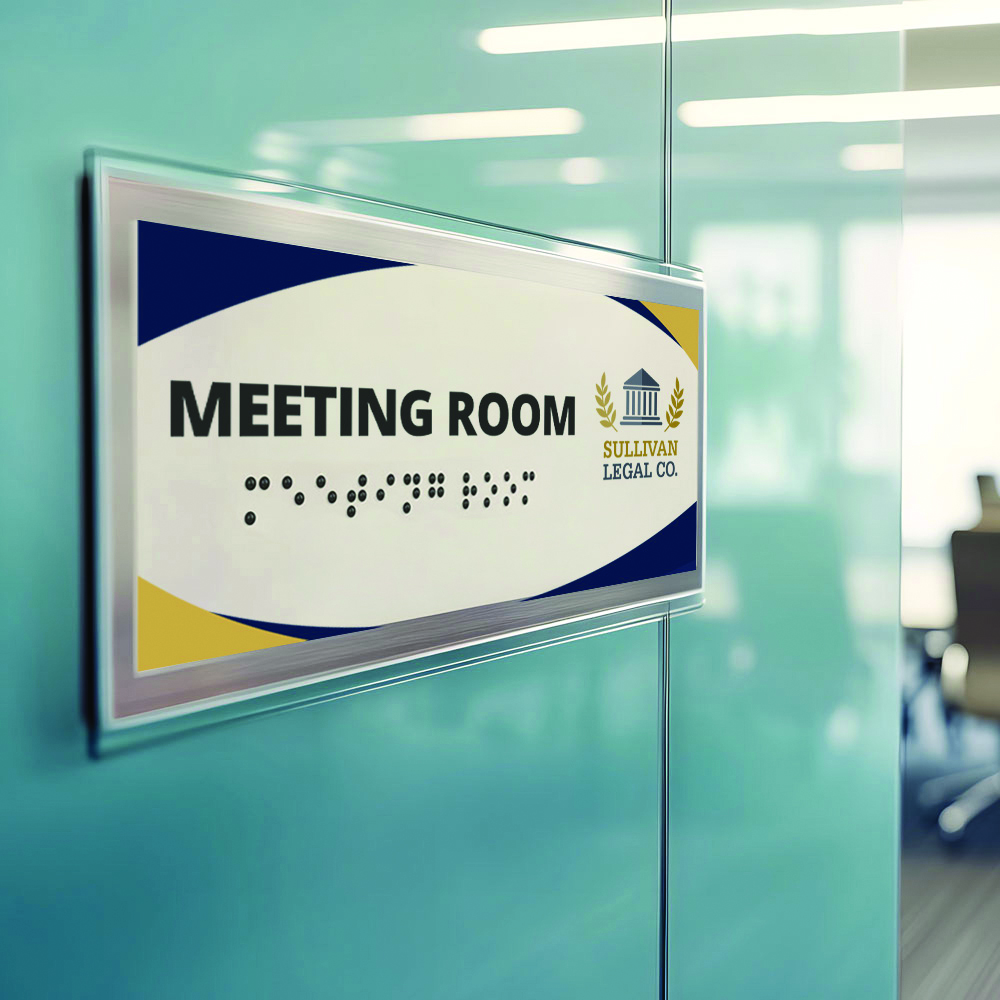
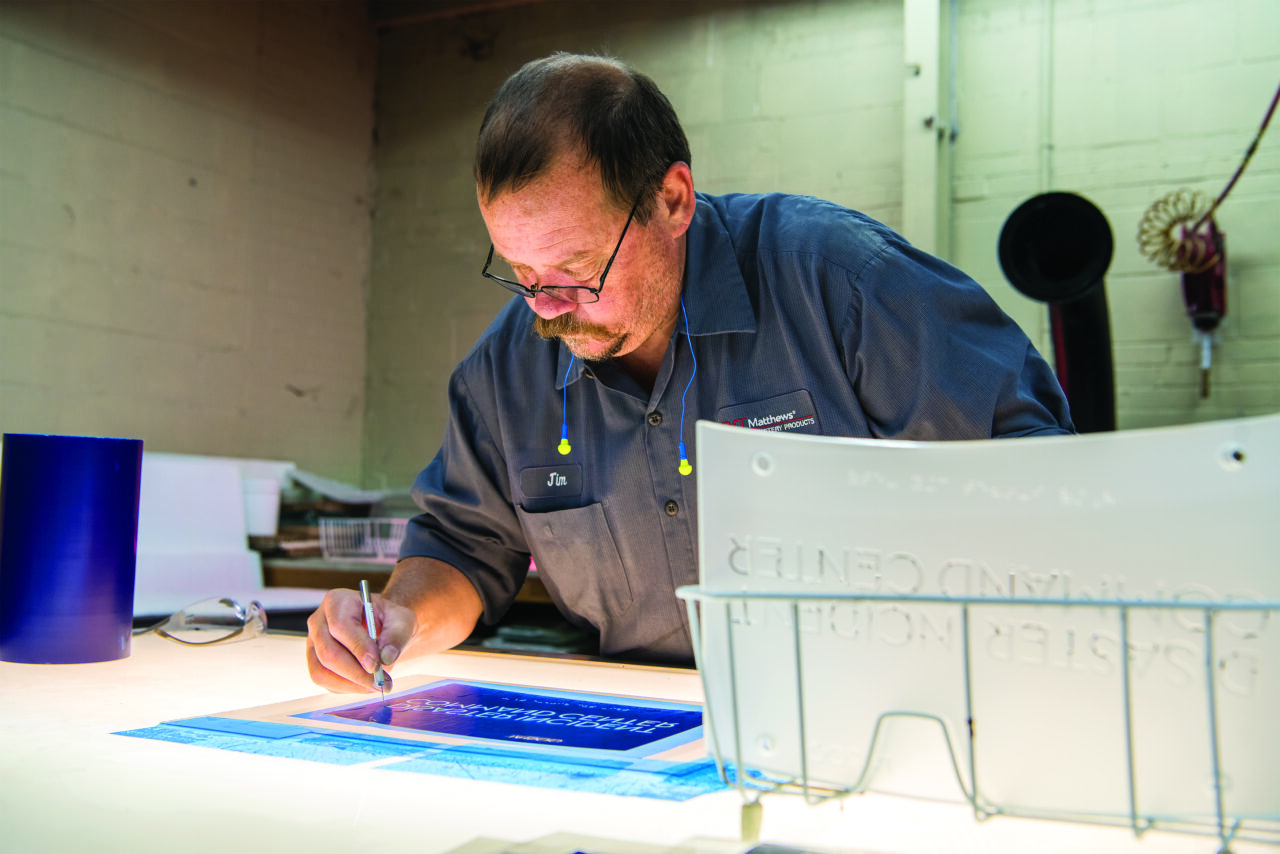
According to Liberto, there is a continued shift from traditional recognition to legacy recognition. Matthews frequently creates architectural recognition elements like plaques, door-style installations, and dimensional displays that become permanent fixtures in offices and other workplaces.
In addition, there is increasing demand for impactful pieces that turn personal stories into physical objects, such as turning a photograph into a bronze bas-relief.
“That allows organizations to recognize individuals not just by name but by capturing a moment, a contribution, or a legacy in a highly tangible, lasting, and visible way,” Liberto notes.
Guzman also suggests a shift in the types of milestones being honored, opening up more avenues for products to reinforce company values and culture while acknowledging employee contributions.
“Companies are incorporating recognition throughout the year for things like safety milestones, wellness initiatives, volunteer efforts, and peer-to-peer recognition programs,” she says. “These types of recognition programs generally trend more toward branded, personalized gift items such as coolers, water bottles, apparel, and so on.”
Capitalizing on Corporate Recognition
How can retailers take advantage of the current corporate awards space to meet client needs? The answer seems to resound: Assess the customer’s goals with outcomes in mind.
Guzman shares a few questions retailers should ponder as they’re pitching new products to corporate customers: Are they trying to improve employee engagement? What about celebrating milestones? Do they need new ways to recognize top performers?
“It’s also helpful to present recognition as an ongoing program rather than a one-time purchase,” says Guzman.
This puts the focus on outcomes and results rather than simply making a sale.
“Retailers should position recognition as a tool for reinforcing culture and values, a way to build employee connection and pride, and an opportunity to create a physical legacy,” says Liberto. “It is also important to engage multiple stakeholders because recognition today sits at an intersection of culture, brand, and physical space.”
Create a Showcase
Showcasing coordinated award collections, offering multiple price points, and providing customization options with company branding helps customers envision a complete recognition program instead of just selecting an individual award, according to Guzman.
Liberto suggests showcases be experiential and story driven. Mock walls or installations, including material samples and design kits, offer a valuable way to demonstrate the progression from concept to finished product.
For online experiences, organizing content by application, focusing on storytelling rather than product listings only, and including before-and-after visuals are best practices to help customers envision results.
Bottom Line
Sources agree that corporate recognition will continue to evolve alongside workplace trends. With that fluidity, it’s important to stay on top of trends to help corporate customers meet their needs. The storytelling trend is one that has been gaining momentum and will continue to build.
“We see recognition evolving beyond individual awards into spaces and experiences that tell a story. The ability to transform something as simple as a photograph into a lasting bronze artifact represents a powerful shift—one that connects people, place, and purpose in a very tangible way. Recognition, at its best, doesn’t just acknowledge achievement—it preserves it,” says Liberto.
In addition, customers are demanding higher-quality and higher-design options. The awards and recognition industry is well poised to meet these needs thanks to emerging technology that offers efficient production while retaining quality.
With a storied history that traces back to the 1970s, JDS Industries has grown by expanding its warehouse locations and product selection to become one of the personalization industry’s foremost suppliers.
“Businesses in our industry are being asked to do more than ever,” says Kyle Alexander, marketing director at JDS Industries. “They’re serving more markets, offering more decoration methods, and turning orders around faster while managing inventory and costs.”
The company, he says, has continued to expand its offerings while staying true to the lineup that helped it establish its name.
Whether it’s awards, drinkware, apparel decoration, signage, or personalized gifts, the goal is to “give retailers more ways to serve their customers through one trusted partner,” Alexander adds.
With a massive network of 13 warehouses, including its main location in Sioux Falls, South Dakota, JDS has expanded its footprint on both coasts, plus several locations in the Midwest and Southwest.
Choosing New Products
Currently, JDS’s offering sits at more than 25,000 products, with more incoming. With that massive an inventory, Alexander says it’s important for the company to choose products that best serve retailers rather than just fill the cache.
“We focus on making investments that help our customers grow, serve more markets, and stay competitive,” he adds. “If we can make their businesses a little easier or create new growth opportunities, that’s where we want to invest.”
In recent years, that’s meant expanding the scope of retailer supplies from promotional products to decorated apparel tools like direct-to-film (DTF) supplies and blanks like hats and canvas bags. Alexander points to changes at the retail level that are directly affecting product growth and expansion.
“What’s been most interesting is how our customers are evolving,” he says. “Businesses are looking for partners that can support a broader range of products and decoration methods.”
Rather than staying within a single category, many retailers, he says, are expanding into complementary products that fit naturally with what they already offer.
“It’s less about replacing their core business and more about creating additional opportunities for the customers they already serve,” Alexander notes.
Creating Opportunities with Existing Resources
Outside of decorated apparel and accessories, another focus area for JDS Industries’ products has been an expansion of UV-printable goods, engravable products, and customizable tumblers. That’s because retailers who work with JDS already have the equipment to personalize these goods, so it’s just a matter of upselling to their end customers and refining techniques they’re already familiar with.
“Products like Laserable Leatherette, Polar Camel, and UV-printable materials allow shops to expand into new markets without completely changing how they operate,” says Alexander. “Whether it’s corporate recognition, home decor, or promotional products, these product lines create additional opportunities to increase average order value while serving a broader range of markets.”
Alexander says there are also other opportunities for retailers who have the capacity to make moderate investments, especially with technologies like DTF printing.
“It gives businesses a relatively low-cost way to expand into products like hats, patches, and apparel without making a significant equipment investment,” he adds.
Positioned as a Partner
With the wide breadth of wholesale suppliers in the personalization industry, JDS leans on its product knowledge as a large part of what sets the company apart from other big players.
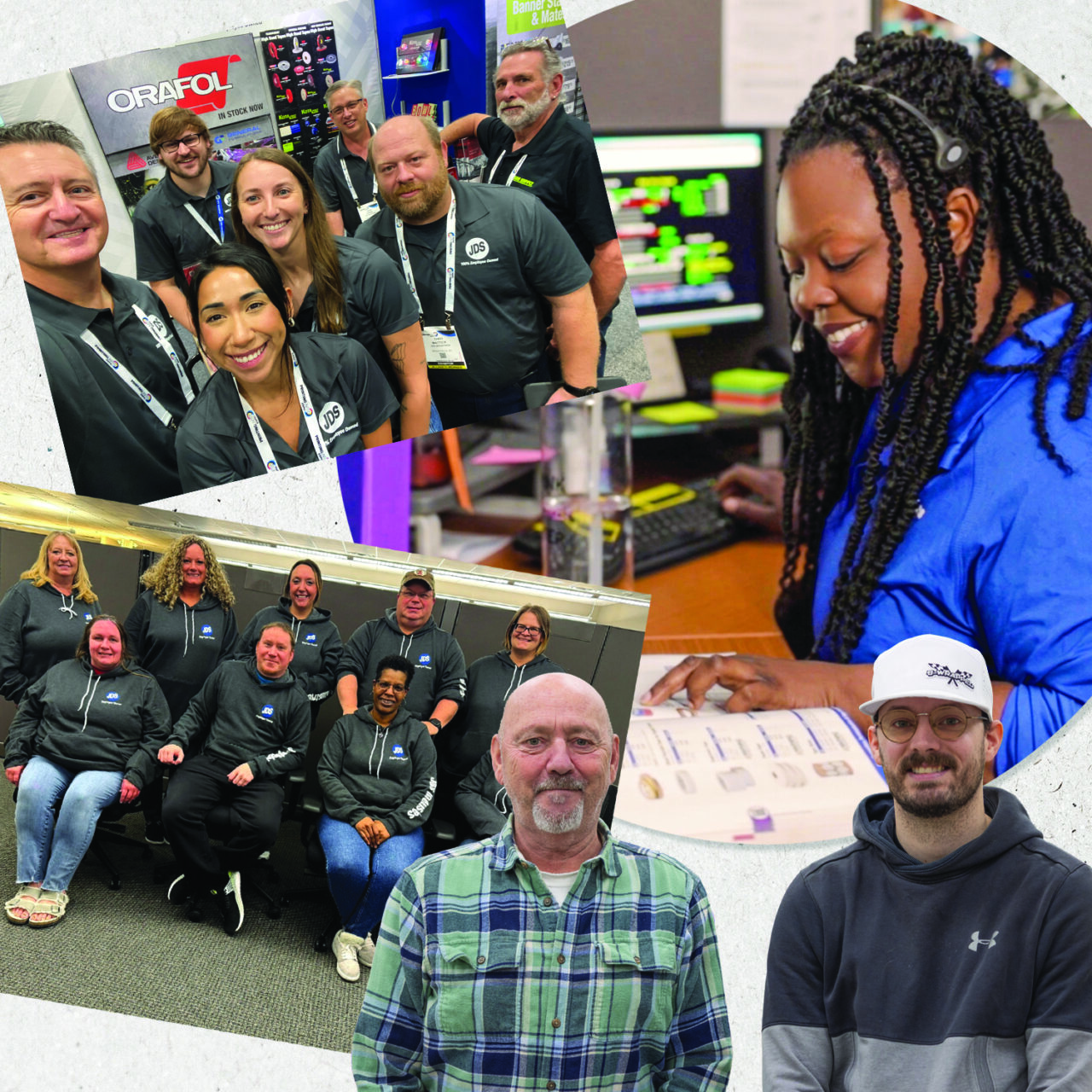
Alexander says JDS employees take pride in being product experts, which is likely reinforced by the company’s overall culture and structure. In early 2025, JDS announced that it was 100% employee-owned through an employee stock ownership plan (ESOP).
With that engaged workforce, Alexander says one of the biggest focuses right now is helping retailers take the often nerve-racking step of investing in new markets or equipment, rather than upselling them without good cause.
“Our goal is to make that transition as easy as possible,” he adds. “That starts with knowledgeable people who understand the products, inventory businesses can count on, and educational and marketing resources that help shops get started with confidence. As an employee-owned company, every one of us has a vested interest in helping our customers succeed, and we believe that mindset comes through in the way we serve them every day.”
Into the Future
Alexander says JDS sees a continued demand for premium goods that “combine functionality with customization.” Those premium products include UV- and DTF-printed goods, which also help meet demand for shorter turnarounds and durability.
“As customer needs evolve, we’ll continue investing in the products, inventory, technology, and support that help businesses stay competitive,” Alexander adds. “What won’t change is our commitment to helping our customers grow.”
By continuing to listen, adapt, and invest in the areas that matter most, JDS will remain a trusted partner for years to come, he notes.