By: Michael Clark
Once perceived more as a commodity for construction and industrial woodworking, sheet goods have gradually become a staple in the personalized products industry. For retailers, focusing on areas such as application and the look of the finished product can guide their customers toward something that truly offers unique value.
“Sheet goods are no longer viewed as just a raw material,” says Matthew Arnold of TruFlat Laser Plywood. “They are becoming part of the finished-product strategy.”
“Retailers are shifting from simply producing engraved plates to positioning sheet goods as designed, high-value products,” adds Emily Vander Laan, Gemini.
Sell the Application
Suppliers say one of the biggest shifts is how sheet goods are being presented and sold.
Jackie Faeth of The Rowmark Group says suppliers are increasingly marketing sheet goods “around specific applications and technologies instead of generic materials.”
That approach simplifies conversations. Particularly when customers are less interested in substrate specs and more focused on finding the right material for signage, recognition, decor, labeling, or customized gifts.
Arnold echoes this sentiment, saying it’s more advantageous for retailers to visualize the final product for their customers.
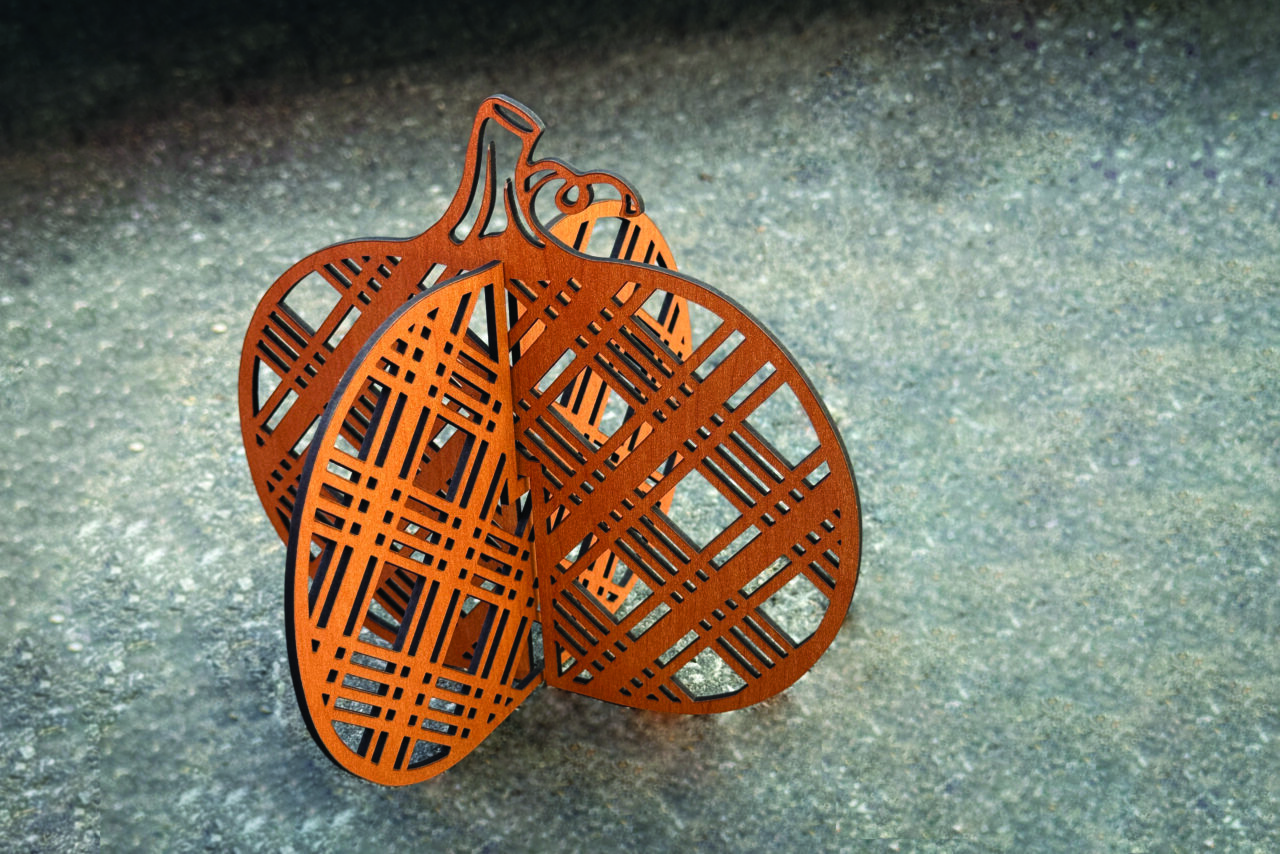
“Instead of only saying, ‘3-millimeter maple,’ we are trying to show what the material can become, such as ornaments, signs, tags, displays, packaging, decor, gifts, or branded products,” he notes. “Retailers want to understand how a sheet helps them sell the finished item, not just how thick it is.”
With that knowledge, retailers can pass those same application ideas on to their customers and position sheet goods as a foundation for products like memorials, graduation keepsakes, recognition awards, and even signage.
Value, Workflow, and Pricing
Suppliers emphasize that value goes beyond base price with sheet goods.
Significant components like quality, ease of use, consistent finishes, and reliable supply contribute to faster turnaround and smoother production.
Durability, versatility, and ready-to-use formats also simplify workflows and improve efficiency, according to Vander Laan.
The widespread adoption of UV printing also means that sheet goods can complement services many retailers already offer. Acrylic, wood, and glass provide flat, hard surfaces ideal for printing while enabling shops to layer techniques such as cutting and engraving with UV printing.
“These materials let makers combine cutting, engraving, UV printing, and layering in ways that are faster and more predictable than traditional finishing,” says Arnold.
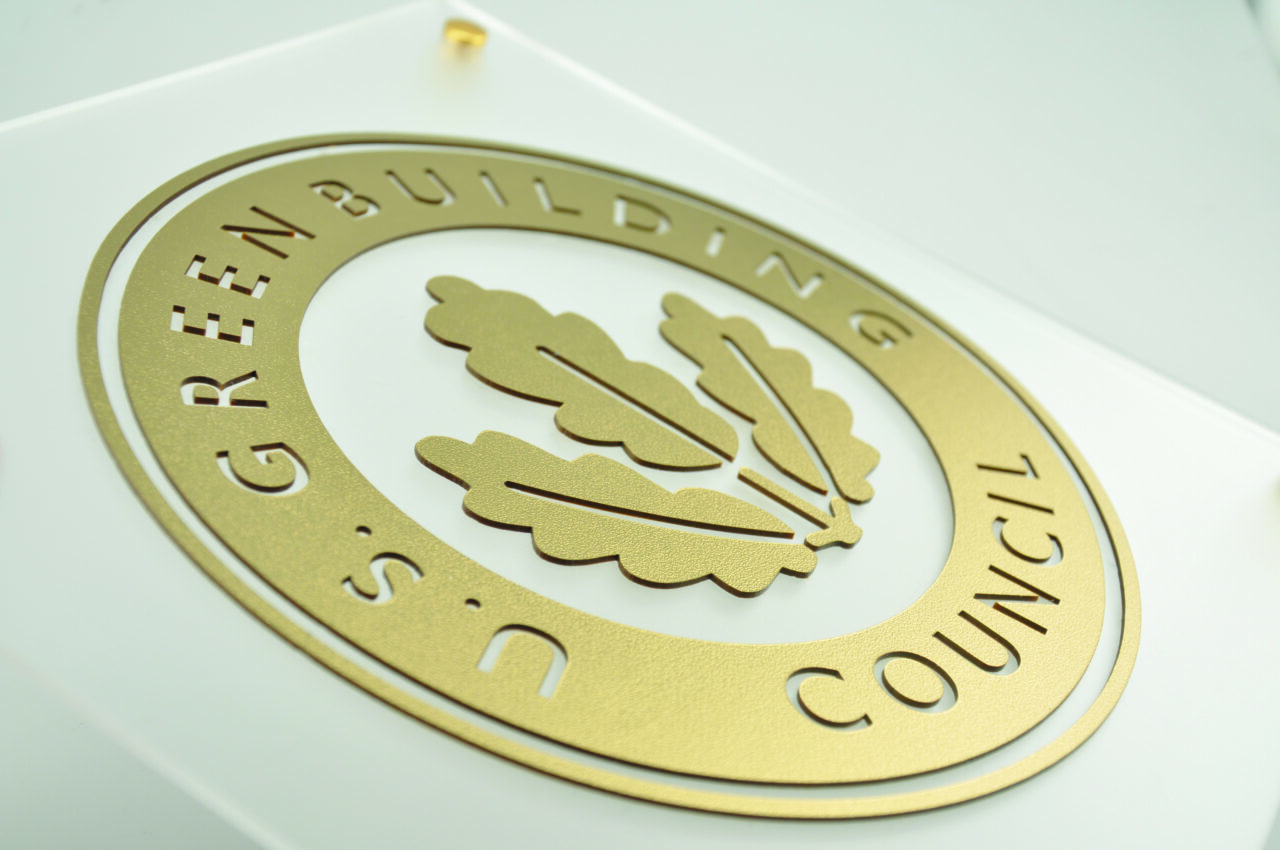
Vander Laan adds that higher-end finishes and simple presentation upgrades, such as mounting or backer plates, can increase value without significantly increasing labor.
Other premium selling points include brushed finishes, vibrant colors, and textured surfaces that support stronger presentation and pricing.
There is also growing interest in higher-end materials like customizable stone. Mike Nickel of Stonelite Designs highlights how stone sheet goods can expand offerings without major investment.
“With UV printing, it’s never been easier to use better sheet stock to reach more people with another idea [like stone],” says Nickel. Thanks to sourcing options and conveniences like drop-shipping, he says retailers don’t “have to buy a whole production line to be in the marble-veneer business.”
Nickel also points to broader economic pressures shaping pricing strategies.
“I think retailers have to make a choice: Either do the same old thing you’re doing and continually watch inflation and margin compression eat away at your business as your customers change, or find another reason for them to go to your website,” he stresses.
Staying Competitive and Visible
As online sellers crowd the marketplace with budget-priced personalized goods, suppliers say differentiation is increasingly important for retailers.
Common differentiators include custom dimensions, textures, color combinations, and layered effects. Vander Laan also points to design-led products—including personalized artwork, photos, and handwriting—niche positioning, and stronger packaging and proofing experiences.
Layered designs and mixed materials remain a practical way to keep products looking fresh and less interchangeable.
Beyond aesthetics, Faeth notes increased demand for industrial tagging and labeling.
“High-quality sheet products are critical where durability, legibility, and consistency are required,” she says. “This has expanded sheet materials beyond decorative use and brought functional, long-term applications back into focus.”
That demand opens opportunities in additional markets, such as ADA and outdoor signage.
Nickel suggests testing new markets gradually to gauge demand.
“The focus is always about keeping your prototypes cheap,” he says. “Keep the cost down, put the prototype on your website, and then see if it sticks.”
Start with What You Have
While sheet goods create new revenue opportunities, suppliers stress the importance of aligning materials with existing workflows.
“You have to fit the existing manufacturing structure, and you have to make it as simple as possible for adoption,” explains Nickel. “There’s this assumption that the expertise is equal across the industry; it is not.”
Advances in UV printing and other personalization technologies make it easier for shops to experiment without significant investment. Even desktop equipment can support entry into sheet-based products.
“Personalization technologies like sublimation and laser engraving are giving retailers more ways to use sheet goods and expand what they can offer,” says Arnold.
Moving Ahead
With the online marketplace becoming increasingly crowded with low-priced personalized products, suppliers say retailers should lean into what sets them apart.
“Overall, it’s about deeper personalization, stronger design curation, and smoother customer experiences,” says Vander Laan.
Whether a retailer is selling plastic, wood, metal, or stone, the goal remains the same: Guide customers to the right solution and clearly communicate why personalized sheet goods command a higher price.