Category: Member Spotlight

  • The Wild West of Awards and Personalization: With the spirit of a cowgirl, Pamela Deats-Connaly, owner of Custom Built Awards, carves a niche unapologetically

    By: Stefanie Galeano-Zalutko

    Some people are born with fire in their belly and a penchant for leadership. Pamela Deats-Connaly, owner and operator of Texas-based Custom Built Awards, embodies such characteristics. With the mind of a mentor and the spirit of a cowgirl, Deats-Connaly proves that breaking the mold, making sound investments, and focusing on genuine relationship-building pay dividends. As a result, she has been a beloved household name in the awards and personalization industry for 47 years.  

    “If you’re going to grow a company, you need to figure out what you do and do it well. You gotta know where your heart is and find your niche,” Deats-Connaly says. “Me: I’m not an Avon saleswoman. I’m a trophy lady.”

    That sharp self-awareness kept Deats-Connaly straight and steady during trying times.

    Like many young entrepreneurs, she tag-teamed a business opportunity that did not go as planned, but she handled the adversity and set the tone for the next four decades.

    “One day, my high school sweetheart and former business partner asked me if I had saved any money,” Deats-Connaly recalls. She’d lent him $1,000 toward a small shop. “When I asked where my money was a while later and he said the business wasn’t working out, I was mad as a hornet. I sat down and wrote a resignation letter to my job because I was about to be in the trophy business.” 

    At the time, Deats-Connaly was a single mother of three children and needed to cover her family’s basic living expenses. Sales was second nature to her as a way to make a living, but starting a business was a much greater risk. 

    “I had to spend $50,000 I didn’t have,” she explains. “But I knew what I could sell if I got it going, and I did. You can’t operate on scared money, or you’re going to fail.” 

    Failure, she says, wasn’t an option. 

    Building a Business 

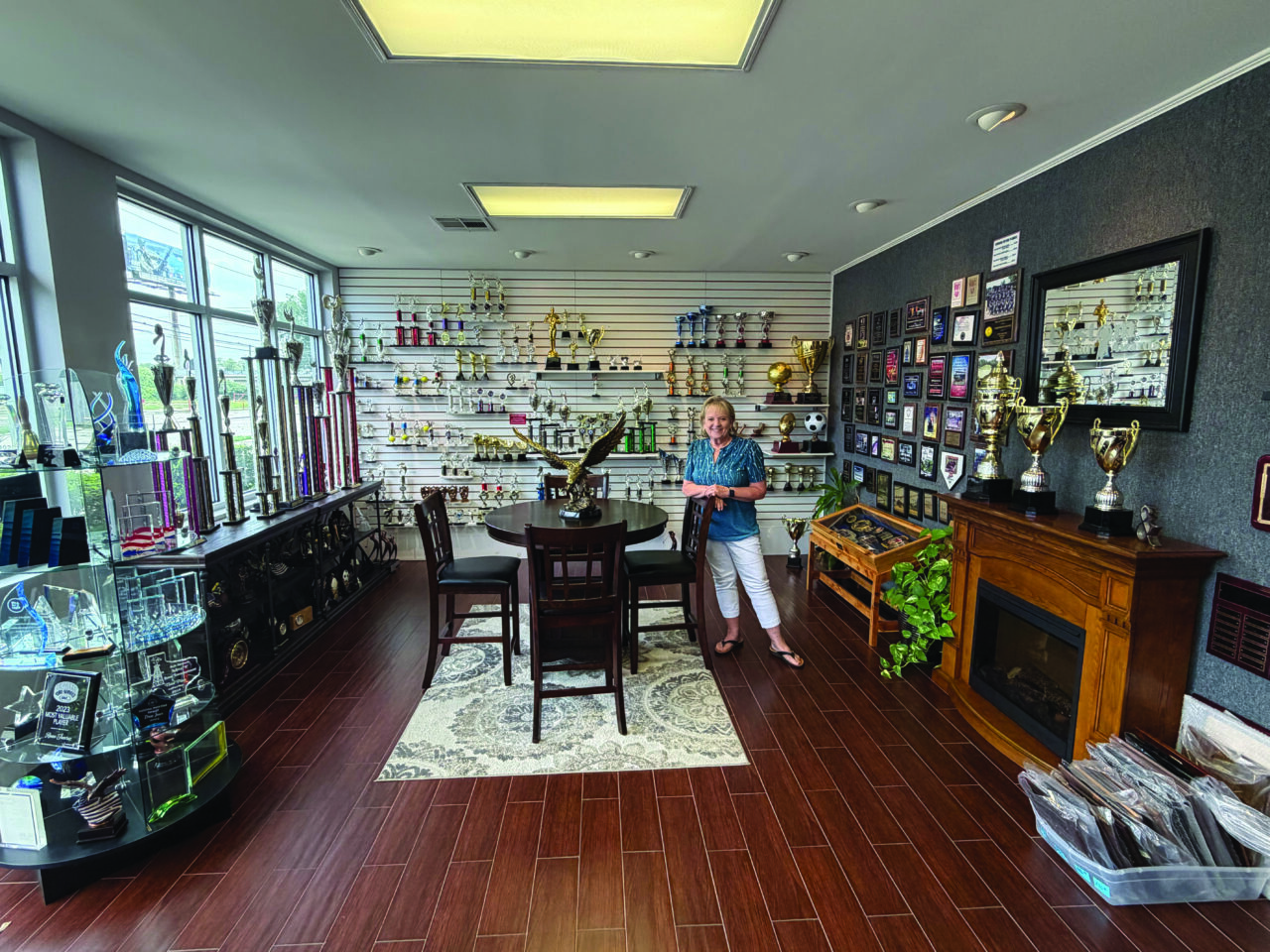
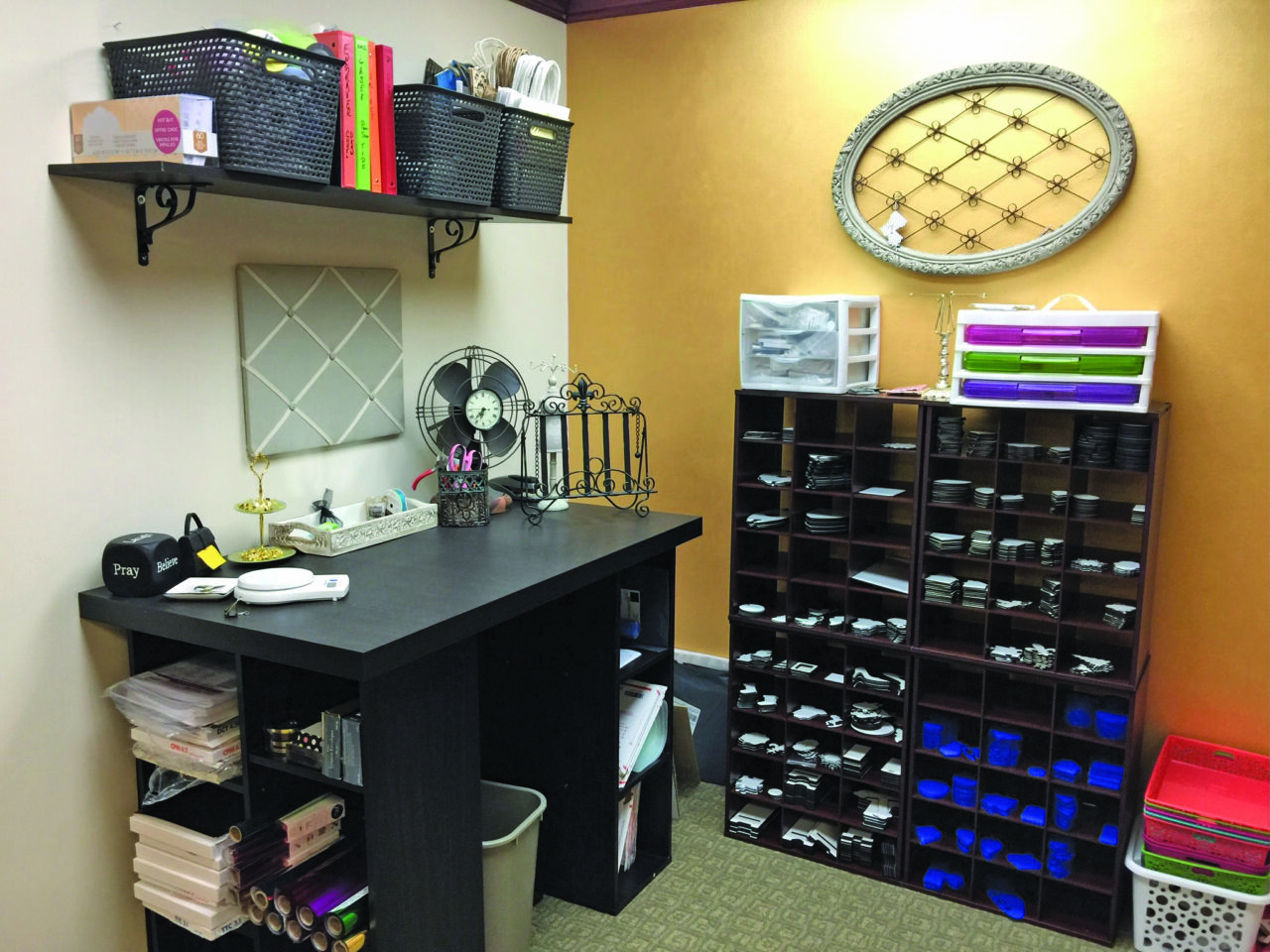
    What began as a small business evolved into a multimillion-dollar legacy. Today, Custom Built Awards is a 13,000-square-foot compound serving customers nationwide. The 28-person team specializes in custom-built-to-order trophies, plaques, name badges, ribbons and medallions, select signage, and gifts for businesses, schools, organizations, sports teams, churches, and special occasions. 

    “One thing that differentiates us is that we’re not an internet-based business,” says Deats-Connaly. “I believe you should talk to and know your clients personally.” 

    Deats-Connaly points to a recent 20,000-piece order thanks to that ethos. 

    “I’m sitting on the other line with him, chatting about church,” she adds. “I care about the person, and that matters.” 

    While the company focuses on volume business, Deats-Connaly says no customer request is beneath her. 

    “Never forget where you came from,” she says. “I remember just starting, and a person who believed in me handed me an industry contact list.” 

    Deats-Connaly says she contacted every person on the list. If they spoke with her, she hopped on a plane to meet them in person. 

    Today, Deats-Connaly still approaches every business day with the same contagious tenacity and genuine support. Not only does she take an interest in the people behind the transactions, but she also educates fellow industry professionals. She is quick to give back to the community and is proud to share a homemade meal with her work family every day. 

    Deats-Connaly may steer daily operations like a wise ole wrangler, but she proves magic happens when one leads with a pure heart.

    Stoic Decisions = Sustainable Growth  

    Over the years, Deats-Connaly balanced strong intuition and a keen business sense to position Custom Built Awards for exponential growth. She’s invested in vital areas to sustain the company through predictable fluctuations and turbulent economic cycles alike. 

    She credits a clear value system as pivotal to the company’s long-term success. That includes standards such as superior materials, cutting-edge equipment, strategic operational expansion, devoted personnel, and loyal partners.

    Deats-Connaly also remains hyperaware of personalization trends, stock market performance, and their collective impact on the industry. As a general rule of thumb, she says the trophy market is typically status quo in a good economy but “crazy” during a downturn. While families may cut back on discretionary spending, such as shopping or going out to eat, during tough times, they often overcompensate by increasing their involvement in youth activities. 

    “Right now, our economy is holding its own. My sales are up 15% to 20%,” she says, noting that while gas prices and tariffs are troublesome, she’s already created a buffer by building up business ahead of those changes. 

    She also negotiated and purchased needs in volume and used savings to buy stock.

    Following Printing Trends 

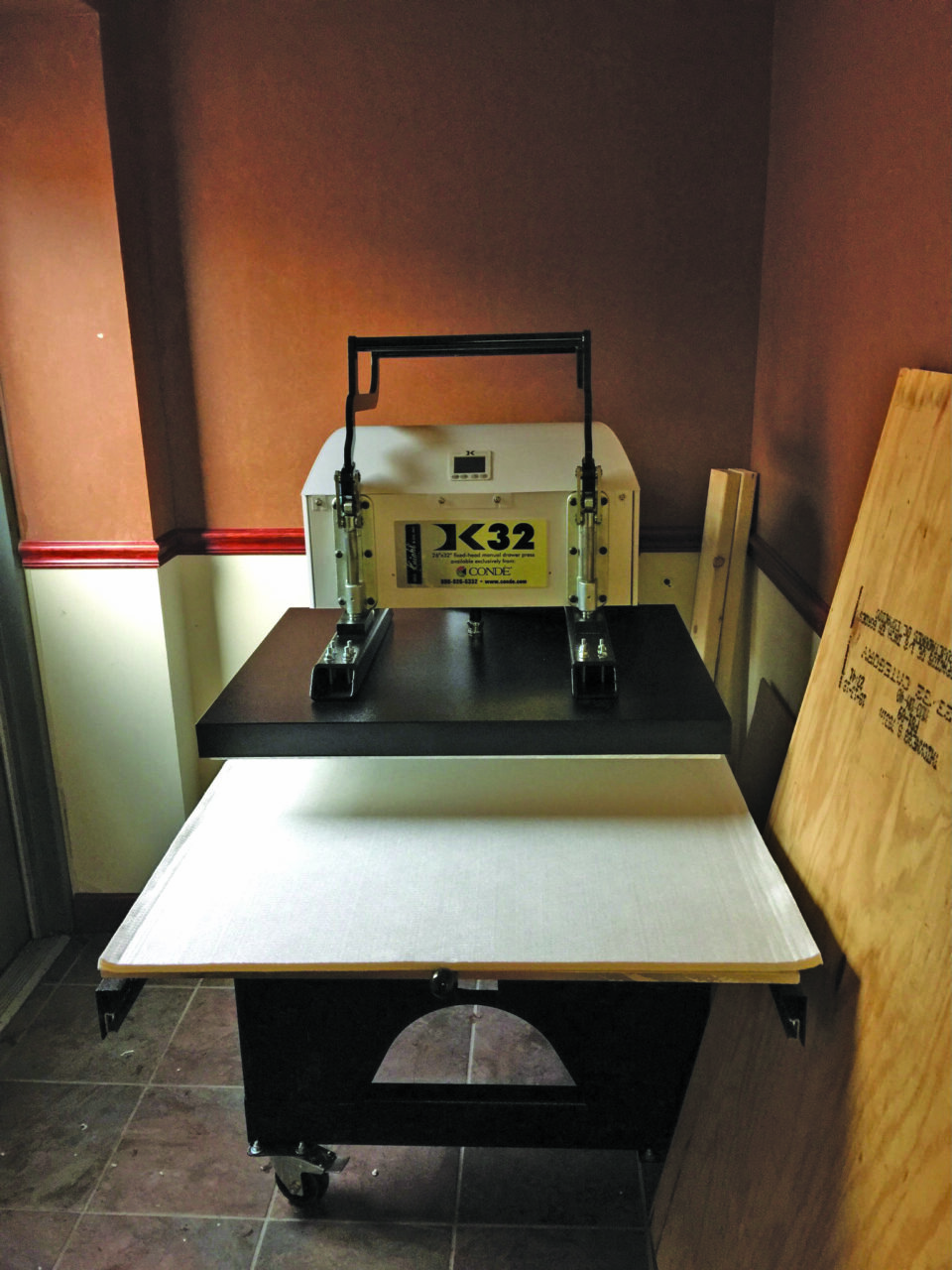
    Deats-Connaly also closely monitors advancements in materials, techniques, and equipment. That includes Direct-to-Film (DTF) and Direct-to-Garment (DTG) printing, both of which have been windfalls for Custom Built Awards. 

    “The direct-to-transfer method is really innovative,” she says, and points out she’s been experimenting with substrates like acrylic with the printing technology. 

    An admitted equipment junkie, Deats-Connaly enjoys the challenge of finding new and exciting ways to improve business efficiencies. 

    “When we started engraving, one little slip-up and you had to start over,” Deats-Connaly says. “Now I manufacture my own trophies.” 

    You Are Your Word

    While quality and service at a fair price are central to the perennial business model, Deats-Connaly emphasizes that promises made are promises kept at Custom Built Awards. 

    The business owner reflects on the impact her business has on customers, from company personnel receiving a lifetime achievement award, to the seven-year-old boy eagerly awaiting a hard-earned trophy at the end of the all-stars, or a customer who had a poor experience elsewhere and now needs help on a short turnaround. 

    “These are real people, and it’s my job to make sure the end user who receives that award feels good inside,” she says. “When someone walks in and sees their award on the table during a bid or presentation and they [audibly] suck in the air around them like a bride who enters [the reception hall] for the first time, then I did my job.”

    Family First

    Deats-Connaly points out that strong business practices and equipment investments would be futile without a smart, loyal staff to run the day-to-day operations. 

    “On my management team, the youngest has been with me for 17 years, and I have another woman who has worked with me for about 40 years,” she says, noting that part of that retention means ample compensation and valuing employee input. 

    Even still, Custom Built Awards has had its share of hurdles. She recalls the near-detrimental impact 2020 had on the company.

    “I had just won Retailer of the Year at the APA Expo, and things were really looking up, then COVID-19 hit,” Deats-Connaly says. “I had to borrow a million dollars just to save the business. That humbles a person.” 

    “But I had God with me, a staff that is second to none, and clients I adore, and we made it through,” she continues. 

    When it came time to construct the newest building, Deats-Connaly included a large chef’s kitchen where everyone could meet, mingle, offer a blessing, and share a meal. A heart of the home at work, she says. The crew cooks meals four to five times a week and often sends guests home with leftovers. 

    “It’s more than what we do; it’s who we are,” she adds. 

    Giving Back

    For Deats-Connaly, one of the greatest joys of success is sharing the fruits of her efforts. As a recognized expert in the personalization industry, the businesswoman has the privilege of mentoring small shops and leading educational sessions at the APA Expo, where she discusses setting up a showroom, choosing the right equipment and software, attracting ideal clients, and avoiding costly mistakes.

    Her advice is clear and consistent: Carve a niche, be unapologetically you, and grow slowly. 

    “You can’t be everything to everyone. This isn’t Walmart. You can’t go and pick up your meat, drugs, panties, and tennis rackets all in one place,” she says. “Usually, we come to this realization the hard way.” 

    More recently, Deats-Connaly has turned down some new business due to capacity. She still specializes in volume business but only solicits one or two new clients per year. Doing so ensures fresh revenue without diminishing the quality of service. After decades at the helm, she is laser-focused on the right fit.

    “I don’t cold-call anyone who doesn’t need us, but I want to work with customers who appreciate who we are and what we do,” she says. 

  • APA Supplier Members Mark 50-Year Membership

    Longtime supplier members of the APA recently marked more than 50 years of continuous membership.

    The long-running memberships highlight both their longevity and the association’s deep roots in the industry.

    Classic Medallics and Singer Company (member since 1970), Simba (1975), and Julie of California (1976) each joined when the organization was still in its early iteration as the California-based Trophy Dealers of America. 

    Founded in 1967 with just 13 members, the association quickly became a hub for collaboration and growth, including hosting the industry’s first trophies-only trade show in 1974.

  • Rules Were Meant To Be Broken: Cheryl Kuchek’s journey from hobbyist to influencer

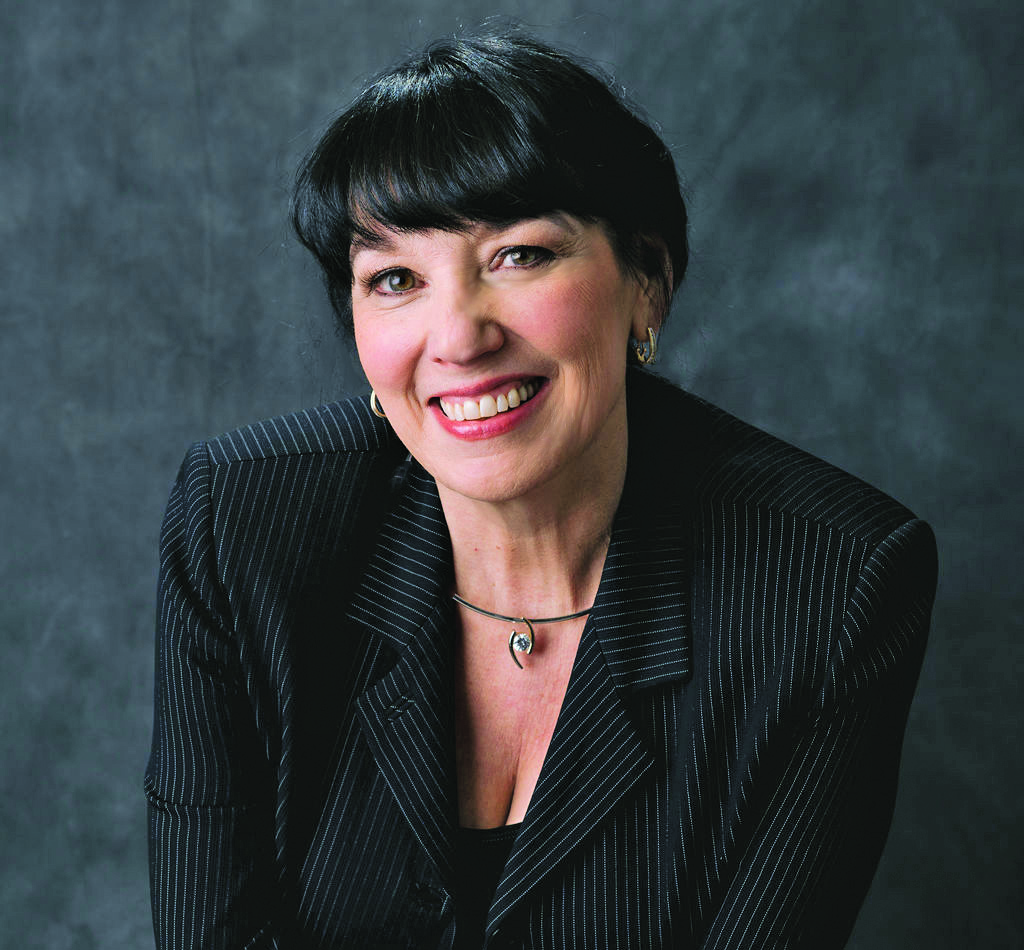
    Sublimation is more than a printing method for small business owner Cheryl Kuchek; it is a die-hard passion born of the pull of possibility. While modern sublimation printing excels at producing full-color designs with superior vibrancy, detail, and finish, early technology had its limitations. Such roadblocks did not stop Kuchek from experimenting. 

    “Anything that could take heat, I was testing and finding a way where there wasn’t a way before,” she says, noting there was a lot of trial and error. “If 350 degrees was the recommended temperature and I wasn’t seeing results on a certain material, then I would adjust the settings, retest until I achieved success in getting something to press or stick.”

    Kuchek says she wanted to “rewrite the book” on sublimation and share the latest technology and techniques with fellow makers. She launched an exclusive Facebook sublimation group to chronicle the labor of love alongside fellow hobbyists. She focused on effective tips and tricks, how-to segments, equipment recommendations, and eventually, live-streaming sessions with industry experts. 

    Fascinated by the science behind crafting, Kuchek continued experimenting with unconventional techniques, such as sublimating store-bought white wrapping paper to create personalized wrapping paper and sublimating acrylic to make headbands and bracelets. 

    Further Growth 

    As Kuchek continued experimenting with substrates and sublimation techniques, her online following grew. 

    “I was an affiliate and influencer before they were a thing and soon [dubbed] the queen of hard substrates,” she says.

    Eventually, she developed several working relationships with industry suppliers, leading to further collaboration, product beta testing, and special vendor discounts for the group. Creative and savvy, Kuchek also promoted and sold her sublimation creations to the captive audience. 

    “It was becoming less of a hobby and more of a business opportunity,” she says.

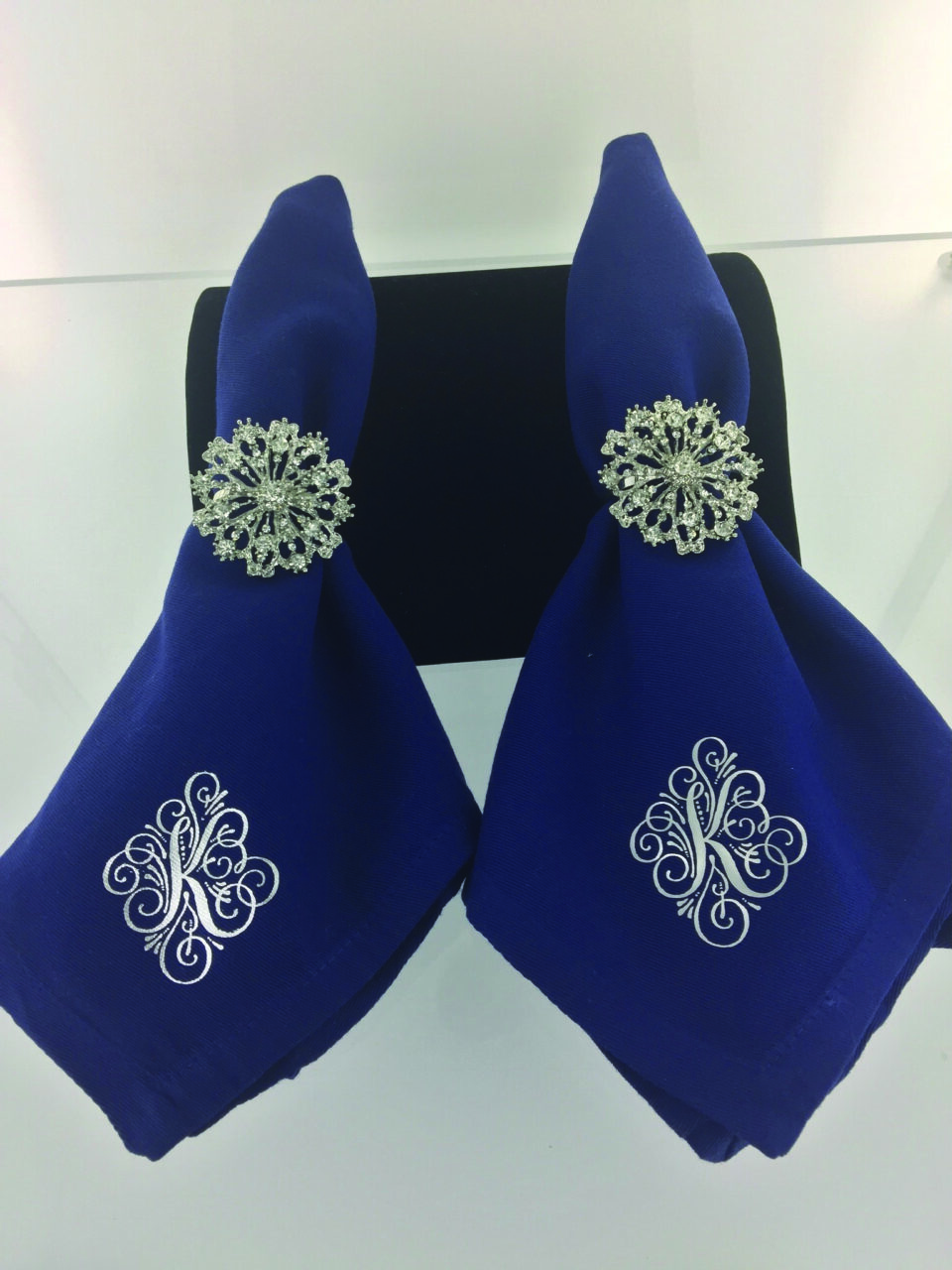
    In 2009, with encouragement from her followers, Kuchek launched Just My Imagination DeZigns as a business for her personalized products. She continued blending various personalization methods to create one-of-a-kind glassware, mugs, coasters, cutting boards, plaques, and ornaments for clientele. 

    “Part of my secret sauce has always been to learn how to do everything with anything they say you can’t do,” Kuchek says.

    Once business operations evolved from a side business to larger repeat orders, Kuchek relocated to a 1,600-square-foot commercial space. 

    “It became my personal playground,” she says. “At that point, I was experimenting with white toner, laser, sublimation, and much bigger equipment.”

    Although she was producing commercial projects at lightning speed, Kuchek always made time to stay engaged with loyal followers who elevated her from a hobbyist to a professional. The successful blueprint, built on a proven foundation of relationships, quality, and collaboration, served as inspiration for her next venture. 

    Climbing to New Heights

    Kuchek drew on her vast knowledge and creative ingenuity to launch a new passion project, Sublimation Summit, an exclusive conference designed to inspire crafters and entrepreneurs in sublimation and heat-transfer customization. The goal was to create an accessible, hands-on educational experience featuring subject matter experts, workshops, and unique substrates.

    The dream became reality in 2019 when Kuchek signed a contract to host the event at the Peachtree Conference Center in Georgia. With just three months to plan the inaugural Sublimation Summit, Kuchek tapped her contacts and organized 92 classes as the main attraction.

    “The best of the best were there to present [and represent the industry at large]. It was a huge success,” she says, noting hundreds of attendees showed up in support. 

    As a result, participants explored untapped potential, and Kuchek says attendees walked away with proven tools to scale their hobby or business to the next level. 

    This success warranted a follow-up performance. While the Sublimation Summit pivoted to a virtual platform during COVID-19, it still offered an effective way to gather, share insight, and collaborate in the spirit of creativity. 

    “I wanted to differentiate the virtual Sublimation Summit and make it the best it could be [given the circumstances],” she says. 

    The online event featured a welcoming 360-degree viewpoint, allowing attendees to easily interact with virtual booths, participate in e-learning, and shop related products. While Kuchek was initially reluctant to host the summit virtually, it was well attended and inspired a handful of subsequent virtual events. 

    “The vendors and attendees loved it,” she says.

    Push Past the Brink

    With mounting success and thousands of followers, Kuchek doubled down by furthering her hands-on training.

    In 2023, she started beta testing an Epson direct-to-garment printer, “pushing every boundary to produce hard substrates on something you aren’t supposed to,” she says. An xTool F1 laser followed, with UV and direct-to-film printers soon thereafter. 

    Every day it was the same process: test, record, refine, and repeat. Any insight gained was an insight shared with Sublimation Summit supporters and loyal social media followers. 

    Her individual findings led to new professional opportunities, including a 12-week course and custom application development designed with makers in mind. 

    Looking ahead, Kuchek considers herself on the front lines of artificial intelligence (AI). 

    “I’m all in,” she says, emphasizing the desire to play an integral role in the positive impact. “How will it help makers do what they do better, faster, and more affordably?”

    Kuchek is both intrigued by and committed to the ethical rollout and integration of AI, with plans to continue educating her community of loyal followers on how to rise to the occasion. 

    “When you combine laser, UV, and sublimation, it’s the biggest game changer out there. Add AI into the mix, so you can create these amazing designs that no one else has, forget it!” 

  • Taking on Swedish Handcraft: Corey Peterson Finds Personalization Success with His Scandinavian Gift Shop, Hemslöjd

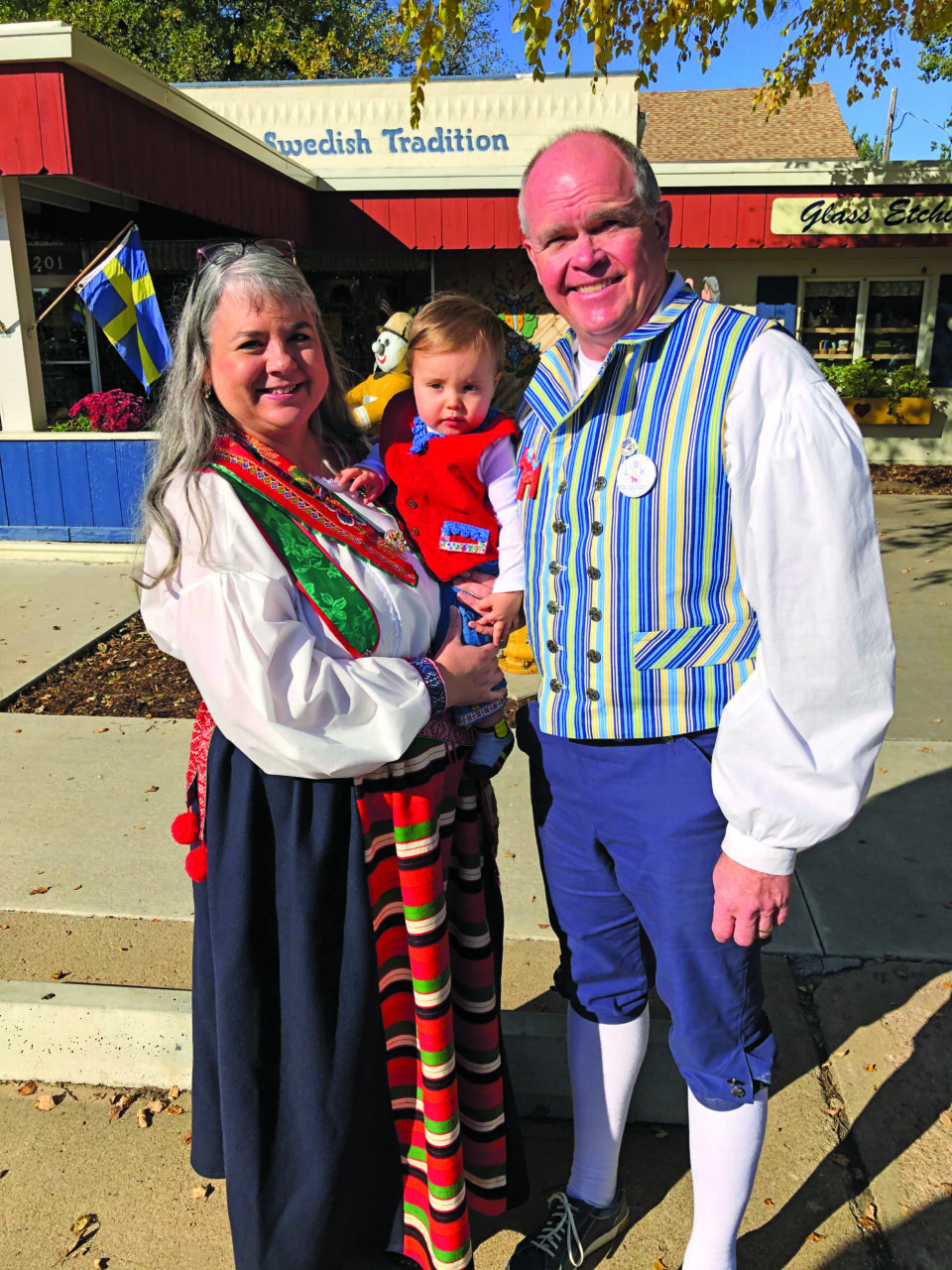
    Nestled in the heart of Kansas is one of the most European cities in America—Lindsborg—or as locals and visitors know it, Little Sweden, USA. It’s here that Corey Peterson and his wife, Denise, own Hemslöjd, a treasured workshop specializing in Swedish gifts and the famous Dala horse, handcrafted and personalized on-site.

    “We have artists who paint the Dala horses with traditional Swedish folk art,” says Peterson. “Then we personalize those either with a name, address, or a message like välkommen … the most common one, which is ‘welcome’ in Swedish.”

    Hemslöjd, which translates to “handcraft,” began in 1984 when Ken Sjögren, at the time a vice president at the local university, Bethany College, began making Dala horses out of his garage. The handcrafted treasures were originally for friends and family, but as requests grew, he enlisted his neighbor, Ken Swisher, who brought manufacturing experience to the hobby. Finding such success, they opened a gift shop in an old gas station in downtown Lindsborg.

    In 2008 the Kens began recruiting Peterson, who grew up in the community alongside Sjögren’s daughter, to take over Hemslöjd so they could retire. “My wife and I had careers in Topeka,” he says. “But we’d always thought about coming back to Lindsborg because it’s a very unique little town.”

    In 2011 Peterson officially took over, leaving behind his successful career in association management.

    Hemslöjd is not far from two interstates, where billboards draw customers in. Peterson knows that even the smallest amount of Scandinavian heritage can pique a customer’s interest to stop in. Customers get to interact with the artists and woodworkers, eventually leaving with treasured keepsakes. Peterson continues to grow his customer base with a robust website and a catalog that he sends to customers.

    “It’s a perfect marriage of brick and mortar and e-commerce,” says Peterson. “We have a lot of customers that have never been here!”

    Crystal Clear Expansion

    With Hemslöjd, Peterson also acquired the custom glass-etching business, Glass Decorators, founded by the original owners.

    “They started etching glassware, putting Swedish designs on glasses and coffee mugs,” says Peterson of the former owners. In fact, Swisher, being the more technical person, developed his own equipment.  

    “He welded [the machine] together with metal plates that they cut out and just etched the glass based on the design of the metal plates that were made,” says Peterson. “I actually have a set of their glasses we received for our wedding back in 1986!”

    The handmade etching machine was eventually replaced with sand carving and an IKONICS CrystalBlast Elite 3.0 and the CrystalBlast 3624 for backup. The new technology enabled the original owners to diversify the business to fulfill custom orders for etched glassware, from mugs and wineglasses to shot glasses and pitchers. Peterson grew the product line, working with JDS and Marco Awards Group.  

    “For customers, [Glass Decorators] has nothing to do with Scandinavian heritage,” laughs Peterson.

    Finding Community

    Not long after Peterson took over as owner, he began searching for a small business trade association to join. Having had a career in association management, he knew the value of a trade community. Shocked there wasn’t one that met his needs, he discovered the Awards and Personalization Association.  

    “I started looking, and the APA was the closest [group] that would make sense for me to participate in,” he says. “It didn’t hurt that they had their annual convention in Vegas, so yep, that was a draw too!”

    Peterson has found value in meeting other members to discuss equipment and products and share support that often only other small business owners can relate to. “Meeting peers that would go through the same things that I may be facing and getting to have those conversations … has been very helpful for me over the years.”

    Today, Peterson is leaning on APA for another reason: his own retirement.

    “The biggest challenge I have [is] I’m kind of up there in years. I’m to the point where I’m trying to figure out succession planning,” he says. On which he hopes to glean some insight from APA members.

    Celebrating Heritage

    Since taking over, Peterson has enjoyed learning more about his own Swedish heritage, a satisfying outcome of owning the business he hadn’t anticipated. “I knew the basics. I knew some Swedish food that we would eat at Christmas, and I know my grandmothers and aunts would all speak Swedish when they didn’t want us to understand what they were saying,” he says, but that was it.

    He integrated himself in the business and culture, while also becoming an active community member in Lindsborg and supporting the local college. From his vantage point, if the town and institution are successful, Hemslöjd will be successful.

    “I’m proud of our business,” he says. “When we bought it, my first goal was just not to mess it up. And the fact that 15 years later we’re still in business and going strong, that’s about the best I could ask for.”