
Demand for personalized soft goods has grown sharply over the past few years as buyers increasingly seek out a single partner who can support the awards, apparel, and related merchandise for an entire event. Customers want a single, comprehensive purchasing solution or, at the very least, want a retailer that can handle the time-consuming process of sourcing multiple vendors. For personalization retailers, bundling standard products like trophies, crystal awards, and plaques with soft goods represents a natural and highly lucrative growth opportunity.
More Products, More Recognition
One of the core benefits of adding soft goods to an awards bundle is that it gives the customer more ways to recognize their recipients.
“The award recognizes the achievement, while a personalized shirt, cap, or bag gives the recipient another way to represent the team, organization, or event afterward,” explains Josh Ellsworth, chief revenue officer of STAHLS’.
On the product mix, Noah Winters, owner of Hydbond, says promotional products are the natural first step.
“Tote bags, key chains, and similar items fit right alongside a trophy order, especially laserable and UV-printable goods that run on equipment many award shops already own,” Winters points out. “Custom hats can work well too, depending on the customer and the occasion.”
Wearables are often a strong fit as well, Ellsworth adds, pointing to T-shirts, performance shirts, hoodies, quarter-zips, caps, beanies, bags, towels, and blankets. He recommends starting with wearable products that are easy to size, personalize, and reorder, then expand the product mix based on what resonates most with the retailer’s customers.
Scaling Revenue Without Diluting Margins
Building comprehensive bundles helps retain customers and sets retailers up for the long term by dramatically increasing average order value.
Winters notes the cascading effect of how building strategic bundles impacts margins and volume.
“We see the effect of these bundles in our own business and across many of our customers’ businesses,” states Winters. “A well-built bundle can turn an order for 20 hats into an order for 20 hats, 20 shirts, and 20 key chains.”
Ellsworth echoes this sentiment on a larger scale, calculating that adding just a $15 personalized wearable to an order for 100 recipients instantly generates $1,500 in incremental revenue.
That said, retailers need to balance increased volume with profitability so they aren’t diluting margins. Accounting for factors like the full cost of delivery, which encompasses the blank product, decoration, setup, and labor, helps maintain those margins, as does a reasonable spoilage allowance. The bundle should be priced around the value and convenience it provides.
Ellsworth notes that the customer is paying for a coordinated solution delivered correctly and on time, not simply the lowest possible price on each item, so discounts should align with broader business pricing standards.
“Never cut yourself short just to close a sale,” Winters agrees. “A bundle discount should make the order bigger, not make the business weaker.”
Bridging the Production Gap
The upside to building lucrative bundles is that retailers can start without additional overhead or staffing.
“There are plenty of fulfillment companies that will customize hats and other soft goods and ship them white label directly to the end customer, so a shop can offer these products without buying any equipment,” says Winters. The trade-off, he notes, is control.
Retailers interested in partnering with third-party fulfillment should take extra steps to vet the companies they choose to work with. Key factors like quality assurance, inventory capacity, and speed to market can all impact how feasible it is to contract out work and still maintain a profit.
Ellsworth adds that shops with existing in-house equipment can also run a hybrid production method of outsourced and on-site printing. For example, preprinted transfers from a third-party fulfillment company can create a new revenue stream.
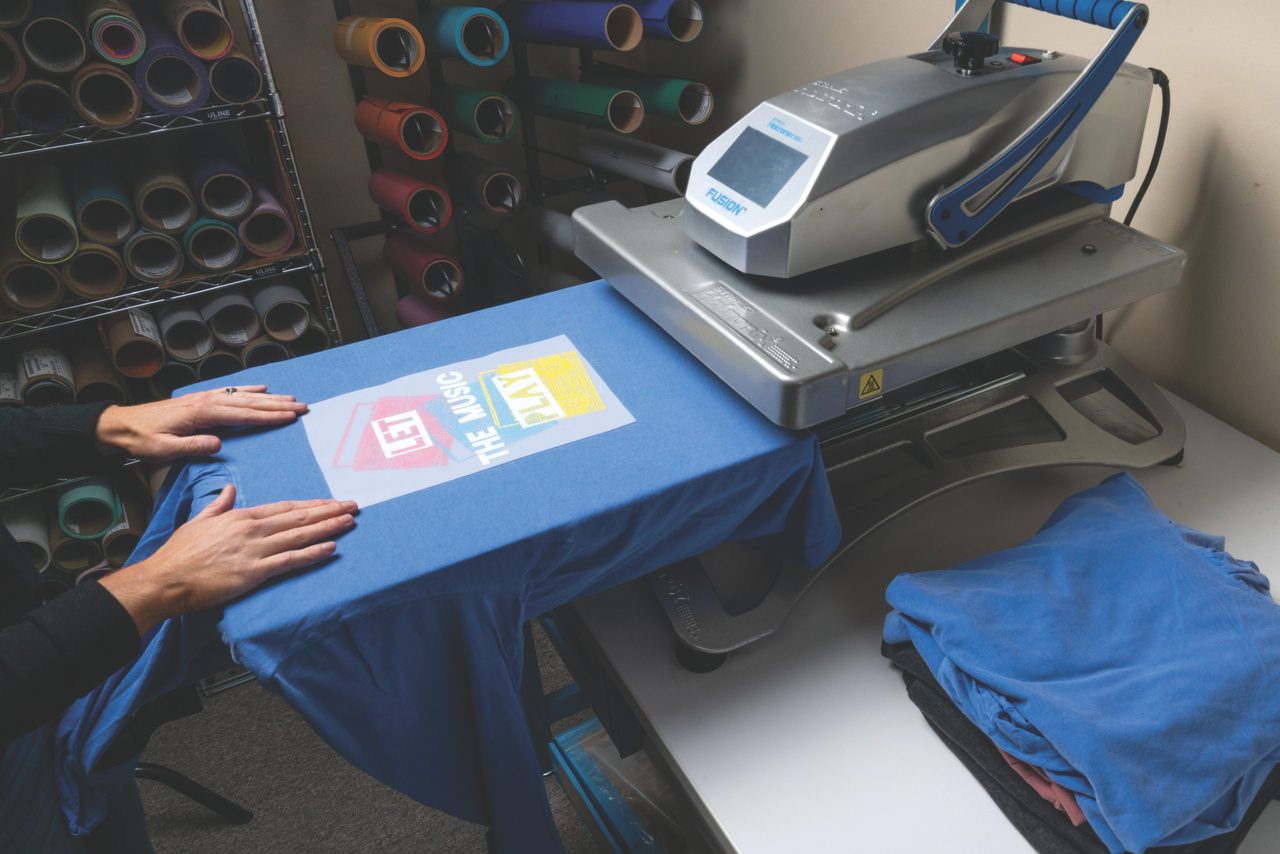
“If the retailer already has a heat press, the opportunity becomes even more accessible,” he stresses. “Ready-to-apply custom transfers allow one press to decorate T-shirts, hoodies, bags, caps, and many other products with the right accessories.”
Similarly, retailers equipped with lasers and UV printers can easily run promotional items like tote bags and key chains.
Modern software also makes closing these multi-item sales easier than ever. Winters highlights that “tools like ProofBolt let shops create and share product mockups instantly, even from a phone, so customers can see their design on a hat or tote before they buy.”
Securing Target Markets
Expanding offerings naturally reaches retailers’ existing customers, since bundles work well with everything from youth sports and school programs to corporate recognition and milestones.
To identify the best products for a specific client, retailers should always come prepared with practical questions about the award’s purpose and the overall budget.
Ellsworth advises presenting a manageable, standardized selection of items rather than handing a customer an overwhelming catalog. As order volume scales, an organized workflow becomes critical, particularly for managing sizes, colors, and order accuracy on apparel. By standardizing popular items, cross-training employees, and establishing firm quality checkpoints, shops can comfortably execute high-revenue bundles without disrupting their core awards-production schedule. He also points out that looking beyond the award recipients helps.
“Coaches, volunteers, staff members, parents, sponsors, and spectators may all need apparel or accessories tied to the same event,” Ellsworth says. “That is often where a single awards order can expand into a much broader program.”
Winters adds that reviewing past orders from longtime customers can also help retailers build out a compatible set of products for a bundle.
“A sports banquet points toward team hats and bags, while corporate events point toward branded apparel and desk items for staff,” he explains.
Sharing a mockup of a hat or tote bag with that customer’s logo can also help, says Winters, since many customers “don’t realize what they want until they see it.”
When retailers are able to pair soft goods like apparel, headwear, and accessories with awards, they’ll benefit from increased revenue, and a stronger position as a one-stop shop. That convenience will be attractive to both existing customers and new prospects.